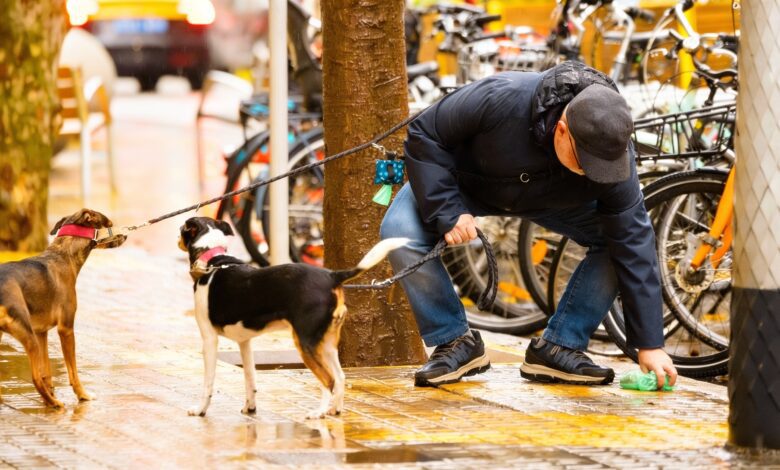
A major initiative has been launched in Barcelona, directly affecting the daily lives of residents and visitors to the Catalan capital. The city council has decided to crack down on cleanliness violations as street cleaning costs have reached record highs. According to El Pais, the city allocates about 300 million euros a year to maintain public order, which amounts to roughly 200 euros per resident. The new measures primarily target dog owners who neglect to clean up after their pets.
The focus is not only on dog waste but also on other forms of disrespect for public spaces: littering, impromptu parties, and even basic disregard for common codes of conduct. City authorities have launched a campaign called “Poca vergonya” to draw attention to the issue and change attitudes toward street cleanliness. Now, dog owners are required not only to clean up after their pets but also to rinse with water the spots where their animals relieve themselves. Violations carry a fine of 300 euros.
Public response
The introduction of new regulations has sparked mixed reactions among Barcelona residents. Many support the initiative, believing that only strict measures can change the situation. However, some see the new rules as an intrusion on personal freedom. In a city where the number of dogs exceeds that of children, the debate over the new standards has become particularly heated. Some pet owners respond aggressively to remarks, leading to conflicts on the streets.
Instances where citizens politely point out violations often end with rude responses. This reflects a general trend toward decreasing tolerance and respect in society. As El Pais notes, even local government officials encounter aggression and insults when they try to bring order. In such situations, municipal workers have to show restraint and maintain their dignity, despite the challenging working conditions.
The city and its expenses
The financial side of the issue is becoming increasingly relevant. Every year, Barcelona spends vast sums on street cleaning, yet the problem remains unsolved. During hot weather, unpleasant odors on the sidewalks become especially noticeable, negatively affecting the city’s image and the quality of life for its residents. Authorities stress that without changing attitudes toward public spaces, any financial investment will be meaningless.
Other Spanish cities are also seeing an increase in complaints about street pollution and disregard for public conduct rules. According to russpain.com, such awareness campaigns are becoming more common as municipalities seek effective ways to deal with offenders. In some cases, local authorities even invite residents to work temporarily for public services to experience the scale of the issue firsthand.
The Respect Issue
The question of upbringing and respect for others is taking center stage. In recent years, Spain has seen a rise in conflicts between citizens over compliance with public norms. This concerns not only dog owners but also other residents who ignore the rules. A surge in dissatisfaction and aggression is also being recorded in other fields, such as hospitality, where cases of theft and disorder have become more frequent. Recently, in Barcelona, a suspect was detained after stealing a large sum from hotels, sparking discussion among tourists and locals. More details about such incidents can be found in the article about the series of thefts in Barcelona hotels.
Overall, respect for public spaces is becoming a key issue for Spain’s major cities. Authorities are forced to find a balance between stricter controls and maintaining public trust. The introduction of new fines and regulations is just one aspect of a broader strategy aimed at changing attitudes towards cleanliness and order on city streets.
In recent years, Spain has launched several campaigns to tackle littering in cities. Authorities in Madrid and Valencia have also tightened oversight of pet owners and introduced additional fines for discarded waste. Some districts of Barcelona ran pilot projects installing street surveillance cameras to record violations. These measures led to fewer complaints, but they did not fully resolve the issue. In 2025, Seville considered introducing mandatory courses for dog owners to encourage greater responsibility. Such initiatives show that cleanliness and respect for public spaces remain pressing issues across the country.