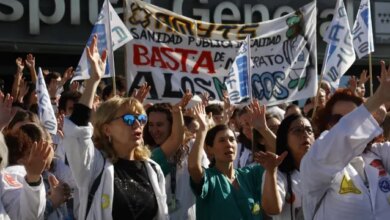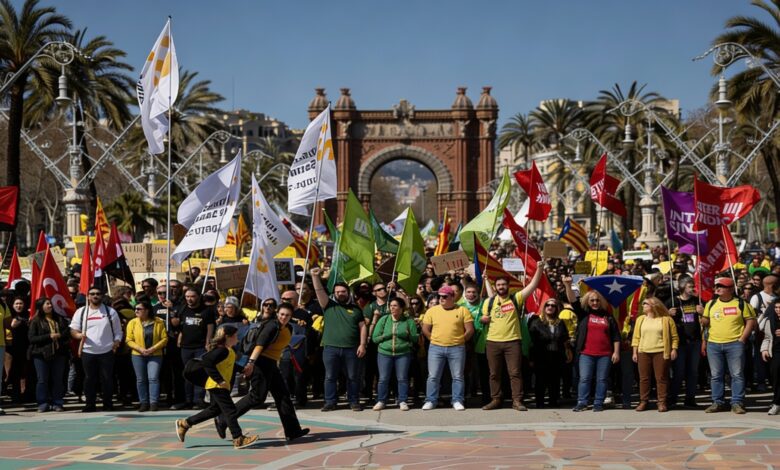
A new wave of protests is starting in Catalonia’s education sector: the four largest unions have announced a series of almost daily strikes that will last for five weeks and affect various areas of the region. The climax is expected on May 12 and 27, as well as June 5, when schools across the autonomy will join the actions. The reason is dissatisfaction with working conditions and salaries, as well as disagreement with the March agreement between the government and the CC OO and UGT unions, which have limited influence in the sector.
The situation escalated after a large-scale strike in February unexpectedly brought together thousands of educators. The authorities rushed to reach an agreement with the two unions, pledging 2 billion euros in investment over four years, a salary increase of 800 euros per year by 2026, additional resources for inclusive education, and a gradual reduction in workload in challenging schools. However, most unions considered these measures insufficient: they point to a lack of funding guarantees, unclear policies on inclusion, limited pay raises, and minimal impact from the reduction in workload.
In March, this already led to mass strikes, and now the protests are returning with renewed vigor. According to unions, a survey among teachers showed that 90% are ready to continue their actions, and 58% support intensifying the struggle. In a joint statement, the unions emphasize that the community has rejected the agreement and is demanding real changes — from higher salaries and less bureaucracy to expanding staff for working with children with special needs and revising curricula with teachers’ participation.
The protest schedule begins on May 6 with actions in schools, and already on May 7 the first strike focused on kindergartens will take place. This sector will repeat the action on May 20. Then, starting from the second week of May, strikes will be held almost daily, but in different territorial districts in turn, as was the case in the spring. The most significant disruptions are expected on the days of region-wide actions — May 12 and 27, as well as June 5, when the next stage of the protests will conclude.
The unions insist on resuming negotiations, but the authorities consider the March agreement sufficient and continue its implementation. Teacher representatives note that the Department of Education has made no new proposals or shown any willingness to compromise. The main demands include higher salaries, smaller class sizes, an increase in staff for inclusive education, and a reduction in administrative burden.
The issues of mass protests and conflicts between trade unions and the authorities in Spain remain relevant not only in the field of education. For example, earlier in Madrid, attention was drawn to a court case involving the former prime minister, which was covered in more detail in the article about Mariano Rajoy’s testimony in the case concerning surveillance of Bárcenas: details of the court proceedings in Madrid.