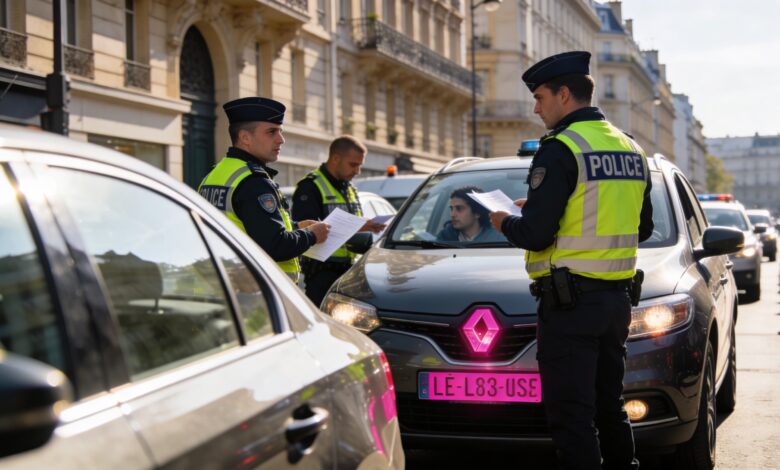
Starting from January 2026, cars with pink license plates will appear on French roads—a decision that changes the traditional vehicle identification system in the country. The new rules apply to cars in temporary registration and are intended to make the work of the police and administrative services easier. Unlike standard white plates, the pink ones stand out by color and immediately indicate the temporary status of the vehicle.
French authorities note that such plates will be mandatory for both new and used vehicles that have not yet received permanent registration, as well as for cars undergoing testing by manufacturers or dealers. In addition, pink plates will be given to vehicles intended for export or temporary import. The validity period of these plates is two months, with the possibility of automatic renewal if the paperwork process is delayed.
How the new plates work
The pink license plates retain the familiar French format: standard typography, symbol placement, and a blue strip with the European emblem. The difference is in the background color and markings: private cars’ plates start with WW, professional vehicles with W. Instead of a regional code on the right, now the validity period of the temporary registration is displayed. This allows for quick verification of whether the car is violating traffic or administrative rules.
Reasons for the changes
According to French authorities, more than 400,000 temporary registrations are issued in the country every year. Until now, such vehicles were difficult to distinguish from regular ones, which created risks for oversight and opportunities for fraud. The new system aims to increase transparency and make road checks easier. Similar measures are already in place in other European countries: for example, in Spain, taxis and VTC vehicles use blue license plates, which also helps the police in their work.
Who will be affected by the new rules
First of all, the changes will impact car dealerships, manufacturers, import and export companies, as well as private individuals purchasing vehicles with temporary registration. For them, the registration process will remain the same, but these cars will now be easily recognizable on the road. This should reduce the number of violations and speed up administrative procedures.
Road safety and control remain pressing issues not only for France. In Spain, for example, checks have recently been tightened and additional mobile speed cameras introduced to reduce the number of accidents during holidays — you can read more about this in the article on new road safety measures in Spain.