Catalonia is experiencing ongoing mass protests by education workers, directly impacting the future of the entire regional education system. Despite a wave of strikes and demands for better working conditions, students in teaching programs remain interested in the profession. For Spain, this means that even amid instability and uncertainty, there is still a steady influx of young specialists ready to work in schools and kindergartens.
As reported by El Pais, the situation in Catalonia’s education sector has intensified in recent weeks: teachers are demanding higher salaries and improved working conditions. Mass strikes, held in February and repeated recently, are a response to long-standing issues—ranging from overcrowded classrooms to a shortage of resources for working with children who have special needs. However, contrary to expectations, these events have not discouraged students from choosing a career in teaching.
The motivation of future teachers
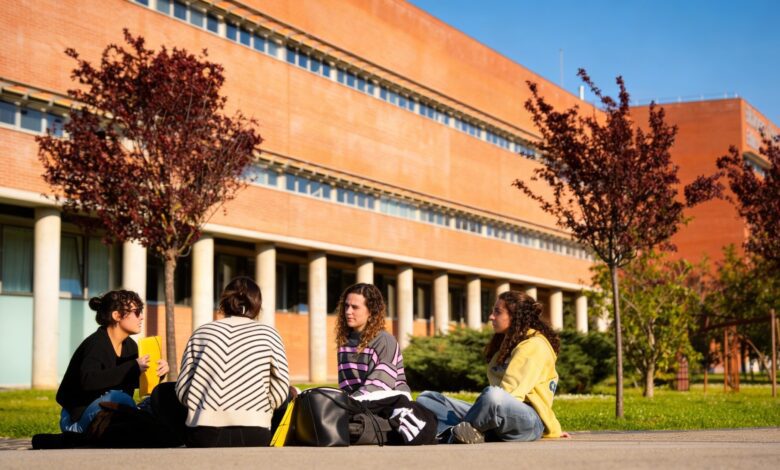
Students from the Faculty of Education at Universitat Autònoma de Barcelona openly discuss the challenges of the profession. They point out that heavy workloads, low pay, and constant pressure from parents are just some of the problems teachers face. Nevertheless, most surveyed students are confident they chose teaching out of a sense of vocation. For them, the strikes are not a reason to give up on their dreams but rather an opportunity to highlight the real difficulties within the system.
Many of them faced real work for the first time this academic year during their internships in schools and kindergartens. According to the students, the gap between the theory taught at university and actual classroom work is enormous. They note that teachers often find themselves in situations where one educator must handle twenty children, including some who require special attention. This causes future teachers anxiety, but it does not make them reconsider their plans.
The reality of internships
Internships in educational institutions in Catalonia have become a real test for many students. They admit that working conditions are far from ideal: lack of time, insufficient tools for individualized work with children, and inadequate training in classroom management. At university, they say, the focus is mainly on teaching methods, with little attention given to organizing and interacting with children with special needs.
Despite this, most students do not doubt their choice. They believe their generation can change the education system for the better. Some admit they have thought about changing professions due to low salaries and high workloads, but their desire to contribute to society outweighs these doubts. In their view, if they don’t fight for change now, the situation in schools will never improve.
Challenges and expectations
Future teachers understand that they face a challenging road ahead. They are concerned that low salaries and the high cost of living may make it difficult to work in their chosen field. Some students admit they are considering other jobs if they cannot secure a decent standard of living. Still, most remain hopeful that the situation will change, allowing them to succeed in the profession they have consciously chosen.
The fear of the unknown and the responsibility for an entire class of children do not dampen students’ enthusiasm. They note that now, as the education system faces a crisis, it’s especially important for motivated and caring professionals to enter schools. In their view, real change is only possible if young teachers actively participate and are willing to stand up for their rights and the interests of their students.
Context and trends
In recent years, Spain has seen repeated teachers’ strikes demanding higher wages and better working conditions. In 2024, similar protests took place in Madrid and Valencia, where class overcrowding and teacher shortages were also discussed. According to russpain.com, despite the challenges, there is still interest in teaching professions across the country. Young professionals continue to choose to become teachers, viewing the role as essential for the future of society. Funding for education and support for early-career teachers remain key issues for the entire system.