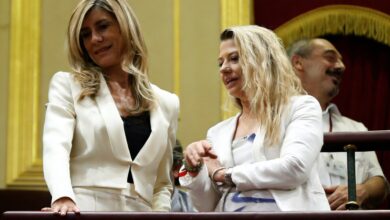
In Madrid, parliament did not support the extension of the rent freeze decree initiated by Yolanda Díaz. This decision came as an unexpected blow to the minister, who had hoped to improve conditions for tenants. In the coming days, many families may face changes to their rental agreements, and some disputes risk escalating to legal proceedings.
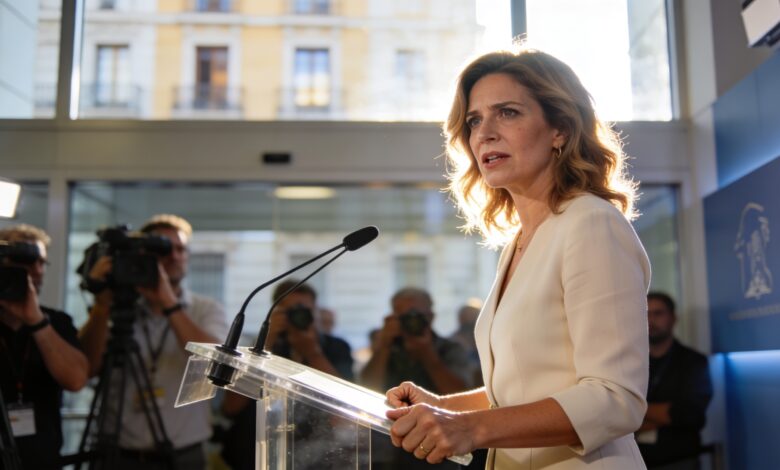
Yolanda Díaz made no effort to hide her disappointment after the vote. She emphasized that the project was aimed at “improving people’s lives,” but that parliamentary arithmetic ultimately outweighed the stated objectives. In her statement, Díaz called on citizens to self-organize if the law is not passed, evoking associations with the rhetoric of past leftist leaders.
The situation unfolded in the press center of the Moncloa complex, where the minister addressed journalists. Despite the official setting, Díaz’s statements sounded sharp and emotional. She noted that refusal to extend the decree could lead to an increase in legal disputes between tenants and property owners.
The issue of rental housing remains one of the most pressing in Spain. The recent failure of Yolanda Díaz’s initiative continued the intense debate over tenant rights protection. As previously reported, following a similar parliamentary decision, Sumar representatives stated their determination to continue the fight for affordable housing despite resistance from other political forces. More about Sumar’s position and reactions to the failure to extend rental measures can be found in the article about the movement’s next steps.
According to RUSSPAIN, tenants may soon face revised terms and an increase in disputes with landlords. The authorities have not yet offered alternative support mechanisms, and discussions of new measures continue amid growing public discontent.