Over the past year, the Madrid healthcare system has seen an increase of 60,000 undocumented patients. While in 2024 there were 134,000 such cases, the number has now reached 190,000. This accounts for nearly half of the total increase compared to last year. Regional authorities note that hospitals and clinics are experiencing significantly greater pressure.
The overall population of Madrid has also grown—about half a million new residents were added in a year. As a result, an additional 140,000 medical cards had to be issued. On top of that, hundreds of thousands of requests came from temporary residents and those without legal status. Doctors and nurses emphasize that no one is denied care, regardless of their documentation or financial situation.
Over the past year, 51 million consultations have been carried out in the region, a 7% increase from before. However, regional officials complain about cuts in funding from central authorities. According to them, the healthcare budget has been reduced by around one and a half billion euros, and this trend may accelerate in the future. Madrid officials claim that part of the funding is being redirected to defense needs and NATO commitments.
Regional authorities emphasize that almost half of Madrid’s budget is spent on healthcare—over 10 billion euros. For comparison, the national government allocates much less to these needs. At the same time, Madrid has criticized the slow process of recognizing the qualifications of foreign doctors and nurses. According to their estimates, tens of thousands of professionals could be working in Spanish hospitals if their credentials were recognized more quickly. The issue is particularly urgent for medical professionals from Cuba, whose training programs are nearly identical to those in Spain.
Another problem is the delay in approving new medicines that have already been authorized in other European countries. In Germany, for example, a drug reaches pharmacies three months after approval, while in Spain this process can take almost two years. Regional officials believe that speeding up the procedure could help save money in the future.
Madrid authorities are also dissatisfied with how negotiations on a new labor agreement for healthcare workers are being conducted. In their view, regional interests and expert opinions were not taken into account, and the document was drafted without proper analysis or calculations. As a result, they believe an inefficient and costly project has emerged, one that fails to address the sector’s key problems.
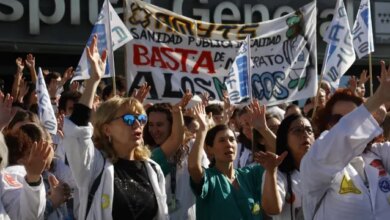
A recent doctors’ strike in the capital showed varying levels of support among medical staff: in some hospitals, half the staff joined the protest, while in others only a handful participated. In primary care, participation was minimal.
Regarding infrastructure, five new medical centers are scheduled to open in the region over the next year and a half. By the end of the current political term, their number will reach 34. Plans also include completing the construction of two proton therapy centers and a major overhaul of several large hospitals, including the total reconstruction of one of the leading hospitals, a project that will take six years and require hundreds of millions of euros. Next year, the expansion of the children’s hospital will begin.