Spain’s decision to completely ban the use of its airspace for American military aircraft involved in Operation Furia Épica against Iran has become one of the most significant moves in recent years. This measure directly affects the country’s strategic interests and could shift the balance of power in the region. For Spaniards, it means not only changes to familiar military aviation routes, but also potential consequences for international relations and security.
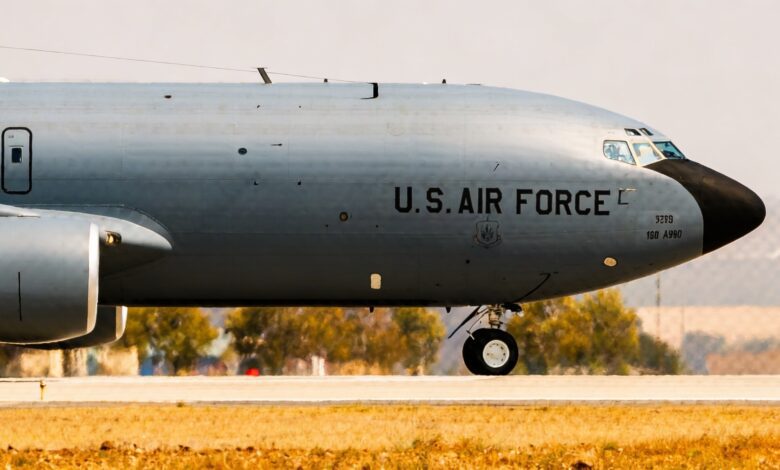
According to a government order, no US aircraft involved in military operations in Iran will be allowed to take off from Spanish territory or cross its airspace. The ban covers not only the Rota and Morón de la Frontera bases, but also any routes passing through Spain, even if the aircraft depart from the UK or France. This decision applies to all types of military aircraft, including refueling and support flights.
Last week, President Pedro Sánchez announced the upcoming restrictions while speaking in Congress. He emphasized that Spain does not support military actions in Iran and does not intend to provide its resources for such operations. Foreign Minister José Manuel Albares confirmed the introduction of the ban, while Economy Minister Carlos Cuerpo stated that economic relations with the US would remain unchanged despite military disagreements. According to him, the government is working to help Spanish companies strengthen their positions in the American market.
Consequences for allies
The restrictions have affected not only US interests but also the plans of other NATO countries that were counting on using Spanish routes to transport equipment and personnel. Recalling recent statements by Donald Trump, who previously supported the idea of withdrawing US troops from countries not involved in protecting the Ormuz Strait, it is clear that tensions among allies are increasing. Defense Minister Margarita Robles said that Spain is not considering a complete withdrawal of US forces from military bases but insists on its position regarding the conflict in Iran being respected.
At the same time, according to RUSSPAIN, diplomatic circles are discussing how the new restrictions will affect long-term agreements between Madrid and Washington. Despite its firm stance on military issues, the Spanish government emphasizes that it does not intend to worsen economic ties with the United States. Speaking on SER radio, the economy minister clarified that Spain will continue to support business initiatives and expand the presence of its companies in America.
US and Iran respond
In response to the actions of Spain and other European countries, the Donald Trump administration announced the start of direct and indirect talks with Iran. According to the American leader, despite the ongoing conflict, Tehran has agreed to allow twenty large oil tankers to pass through the Strait of Hormuz. This decision was unexpected against the backdrop of the effective blockade imposed by Iran in response to the joint US-Israel military operation that began on February 28.
In Spain, debates continue over how long the new restrictions will last and how they might affect the country’s role in international alliances. Some experts believe Madrid is demonstrating independence and a desire for a more balanced foreign policy. Others worry that such moves may reduce allies’ trust and diminish military cooperation.
Context and comparisons
The question of Spain’s military involvement in Middle Eastern conflicts has repeatedly sparked heated debate. For example, former Prime Minister Aznar previously called for stronger action by the country regarding the Iranian crisis, a stance examined in detail in the material on his position and its potential impact on Spain’s foreign policy — details on Aznar’s demands to the government.
In recent years, Spain has already had to reconsider its agreements with the US and NATO. For instance, in 2024, there was a discussion about expanding the powers of the Basque Country in aviation and security, which also triggered debates over sovereignty and the control of strategic assets. Such decisions always generate significant public interest and require careful consideration by the authorities. Amid a changing international climate, Spain continues to seek a balance between national interests and its commitments to allies.