Spain has captured the attention of the medical community after a new method to combat one of the most dangerous types of childhood cancer was confirmed in Barcelona. For families facing a neuroblastoma diagnosis, this development could bring new hope for more effective treatment and long-awaited improvements in survival rates.
In recent years, neuroblastoma has remained one of the most challenging issues in pediatric oncology. Around 90 new cases are reported each year in the country, and the disease is known for its extremely aggressive course. Traditional therapies often prove ineffective, especially when the tumor recurs or does not respond to standard drugs. That’s why Spanish doctors decided to try a new approach by combining chemotherapy with innovative immunotherapy.
Putting the method to the test
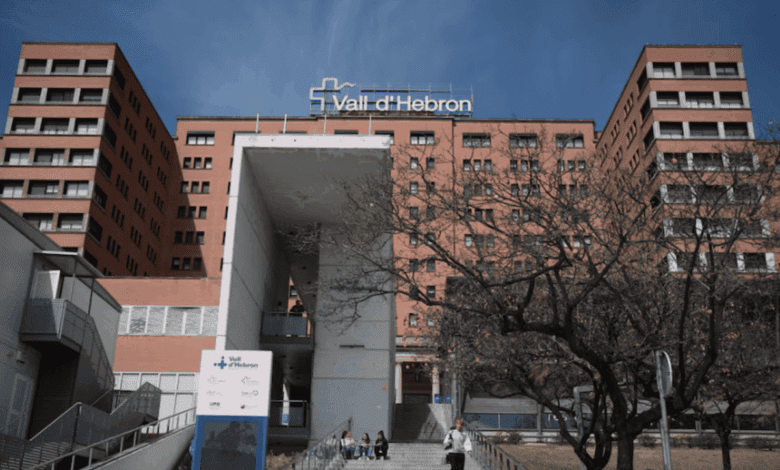
A clinical trial conducted at Vall d’Hebron (Barcelona) became the largest in Europe for this category of patients. The study involved 65 children and adolescents from seven countries, all of whom had not benefited from standard treatment protocols. Trials were carried out in 29 medical centers, providing unique insights into the body’s response to the combined therapy.
Doctors divided the patients into two groups: one received only chemotherapy, while the other underwent a combination of chemotherapy and dinutuximab beta, an antibody specifically developed to combat pediatric tumors. In some cases, the drug was added after it became clear that the standard protocol was ineffective. This approach made it possible to assess the effectiveness of each method both individually and in combination.
Surprising results
Data analysis showed that tumors shrank in 30% of cases among patients receiving the dual therapy, compared to just 18% with chemotherapy alone. Even more impressive were the survival rates: the median progression-free period nearly tripled. One year after treatment started, 44% of patients in the combination therapy group remained alive and stable, while only 27% did in the chemotherapy-only group.
These numbers have sparked discussion in the professional community. Doctors note that, for the first time in a long while, there is a real alternative for children who previously had no chance of recovery. Now, experts are considering the combined approach as a possible new standard for treating relapsed or resistant neuroblastoma.
Plans for the future
Inspired by their success, Spanish researchers have already launched the next phase—the BEACON2 project. This study aims to compare the effectiveness of chemotherapy combined with two different drugs: bevacizumab and dinutuximab beta. In addition, a parallel study, BEACON-BIO, will focus on analyzing genetic markers and liquid biopsies to personalize treatment selection.
Leading children’s hospitals in Spain, including Vall d’Hebron, Hospital Infantil Universitario Niño Jesús, and Hospital Universitario La Fe, have joined the project. This large-scale approach not only expands treatment options but also helps explain why some patients respond better to therapy than others.
In recent years, reports of new treatments for rare and aggressive childhood cancers have become more frequent across Europe and worldwide. For example, Germany and France are actively introducing personalized therapy protocols, and Italy has recently approved the use of CAR-T cells for certain types of leukemia. In Spain, particular emphasis is placed on international collaboration and the exchange of expertise between hospitals, which is already making a tangible difference for young patients and their families.