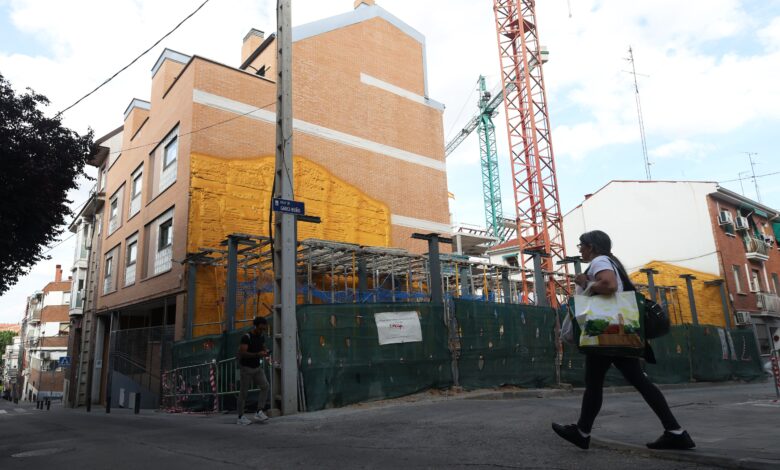
A conflict is brewing in Madrid over the future of urban development: the Tetuán district, where almost 170,000 people live in 5.3 km², has become the center of a dispute due to city hall’s plans for further construction. According to city authorities, the population density here exceeds that of even such densely populated neighborhoods as Chamberí and Salamanca. Nevertheless, in the new strategic plan project (PEM), Tetuán is considered one of the zones for potential redensification—an increase in residential units through the densification of existing buildings.
Reaction of residents and associations
Four local associations—Cuatro Caminos-Tetuán, Ventilla-Almenara, Espacio Bellas Vistas, and Asociación de Viandantes—have sent a letter to the city’s urban planning department, expressing strong disagreement with the plans for further densification of the district. According to them, Tetuán has already exhausted all options for growth: there are almost no free plots left, and new buildings are appearing in place of old ones. The associations note that in some quarters population density reaches 42,000 inhabitants per square kilometer, and the infrastructure cannot cope with the load.
Infrastructure issues
Residents complain about the lack of green spaces and sports facilities: the district has only 20 green areas, making it one of the ‘driest’ in the city. In some neighborhoods, up to 85% of the streets are without trees. According to activists, children have to play football in squares because there is simply no space to build new facilities. In addition, many basements and commercial premises have been converted into housing, leading to overcrowding and a deterioration in living conditions.
The position of the authorities and politicians
City Hall claims that the PEM is still under discussion and does not include a final list of districts for densification. Administration representatives emphasize that the document only analyzes the city’s options for addressing the housing issue. However, the opposition and local leaders believe that, without infrastructure development and social facilities, further increases in density will worsen the quality of life. In particular, representatives of PSOE and Más Madrid insist that the area is already overloaded and not ready for new waves of construction.
The housing market and residents’ concerns
According to the Idealista portal, the price per square meter in Tetuán in April 2026 is about €5,980—significantly lower than in neighboring districts. Nevertheless, demand for housing remains high, and new projects are often aimed at the premium segment. Local residents fear that densification will lead to further price increases and the displacement of long-term inhabitants. Many note that traditional houses are being demolished to make way for expensive apartments, and the district is gradually losing its familiar character.
According to city authorities, Tetuán remains the most densely populated district in Madrid. The question of its future development has become one of the most pressing topics of discussion among residents and city politicians.