At the start of the 2025-2026 academic year, Madrid is once again facing issues with distributing school meal subsidies. Regional authorities published a new list of recipients, which now includes over 119,000 students. This is a 16% increase over last year, yet a significant number of low-income families were still unable to receive assistance.
This year, the list of potential recipients was expanded to include children of military personnel studying at public institutions, as well as children from large families with an annual per capita income not exceeding 10,000 euros. For other families, the limit is set at 8,400 euros per family member. Despite the expanded criteria, the overall budget remains unchanged at 68 million euros, leading to discontent among parents.
Parents and guardians received notifications regarding the outcome of their applications. Some, like Laura S., a mother of two, were denied assistance for formal reasons despite submitting all necessary documents. Authorities have opened a special appeal period from September 5 to October 6 for contesting these decisions. Until the appeals are resolved, families must cover meal costs themselves, which has created a significant financial burden for many.
According to estimates by the Federation of Parent Associations (FAPA), thousands of families have not received support, and only a third of those approved get full compensation. The rest have to turn to social services for additional assistance. Among those affected are women who have survived domestic violence and have not received even partial compensation, struggling to pay for school expenses.
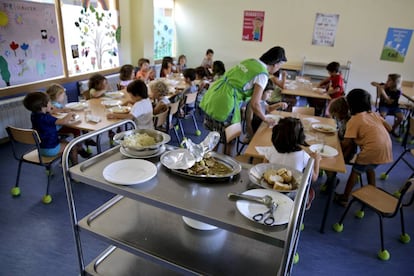
The situation is worsened by the fact that only about 20 out of nearly 300 public secondary schools in the region have their own cafeterias. This has led to a rise in the number of so-called ‘latchkey children,’ who are forced to eat lunch at home alone. The issue of access to free school meals in Madrid has persisted for years and, according to experts, is becoming increasingly acute.