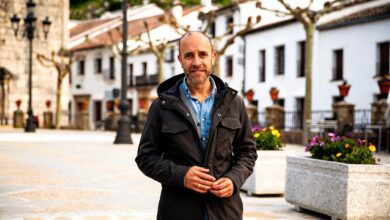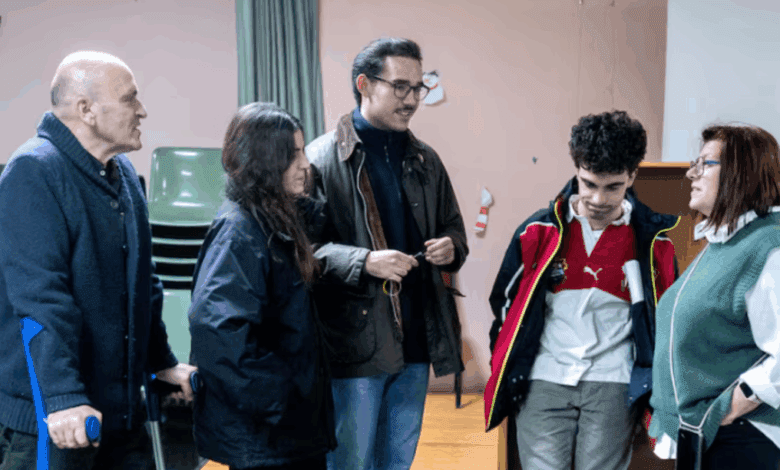
In the small Leonese village of Villamanín, fifteen young people responsible for organizing local festivities have found themselves at the center of a major scandal. Their mishap with distributing Christmas lottery tickets resulted in a four-million-euro loss for residents. To breathe life into the village and attract people, these young organizers sell lottery tickets every year, with part of the proceeds funding community celebrations. This time, however, things did not go as planned.
As in previous years, in 2025 they bought tickets for Spain’s famous lottery and split them among locals and visitors. A total of 90 tickets were sold, divided into 450 shares at five euros each. One euro from each share went toward the committee’s needs, while the remaining four funded the lottery draw. But on the eve of the draw, it turned out that 50 shares had never been officially registered with the lottery authorities. They were left at one organizer’s home and, as fate would have it, those were the winning tickets.
A tense evening
When it became known that four million euros were at stake, a real storm broke out in the village. The young organizers gathered everyone who counted as a potential winner at the local bar. For four hours, emotions ran high: some demanded answers, while others accused the group of fraud, convinced the mistake was not accidental. Locals pointed out that the organizers had allegedly mentioned more tickets on television than they admitted to now.
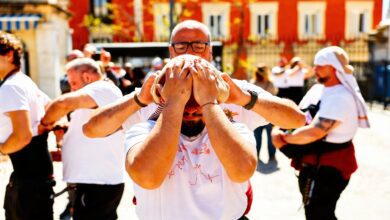
In response to the accusations, the young people stated that they never intended to deceive anyone and are even willing to show their bank accounts to prove their honesty. The hardest part for them is realizing that this situation cost them friends. That evening, emotions were running high: anxiety, anger, disappointment. Many who attended the meeting left in silence, avoiding eye contact.
Fragile agreement
Ultimately, after lengthy debate, the committee and the holders of the winning tickets managed to reach a compromise. The young organizers gave up their share of the prize in order to de-escalate the conflict and preserve peace in the village. However, even this decision did not fully ease the tension. The sum they surrendered does not cover the entire shortfall—a significant portion, up to four million, is still missing. It was agreed that the deficit would be covered by deducting a small percentage from the remaining winning tickets.
But even here, disagreements persisted. Some residents claim the deduction will be 10%, others say 5%. No one can state exactly how much the organizers gave up: estimates range from 1.2 to 2 million euros. There is no official document confirming the agreement—it was all settled emotionally, by vote, without any written guarantees.
Doubt and mistrust
In the evening, as tensions eased a bit, discussions continued in the village’s last open bar. Some still refuse to believe it was just a simple mistake. Suspicion hangs in the air: could someone have tried to claim the winnings for themselves? Still, most lean toward it being human error, not foul play.
Residents admit that no one expected such an outcome—after all, few truly believe their ticket will be the lucky one. Yet a shadow of mistrust remains. The young organizers insist that most locals support them, and that only a minority are unhappy. They hope Villamanín will be remembered not as the village where a lottery win sparked conflict, but as a place where people managed to find a solution.
Voices of the village
That evening in Villamanín, everyone was talking about the same thing. Fourteen-year-old Julia González believes the village would be much duller without the lottery committee’s work. She says the main thing isn’t the size of the prize but that everyone gets at least something. Angela, the 25-year-old bar owner, wearily collects glasses at the end of a long day and notes that the village still has plenty of challenges ahead.
The lottery story isn’t over yet. There are still investigations, more debates, and possibly new decisions ahead. But one thing is already clear: for Villamanín, this has been one of the toughest days in recent years.