One of the most talked-about stories in recent years related to the right to euthanasia has come to an end in Spain. A young woman suffering from severe physical and psychological consequences after her injuries was able to make her own decision to end her life. This case sparked public and legal debate, involving not only the family but the entire country.
Legal proceedings between the woman’s relatives and the patient herself lasted more than a year and a half. The father was firmly opposed to the procedure, insisting on continued treatment and psychological support. However, the woman herself repeatedly stated that she could not endure further suffering and fought for the right to a dignified farewell. Ultimately, after the Barcelona court rejected the father’s demands and the European Court of Human Rights issued its decision, the procedure was authorized.
Family conflict
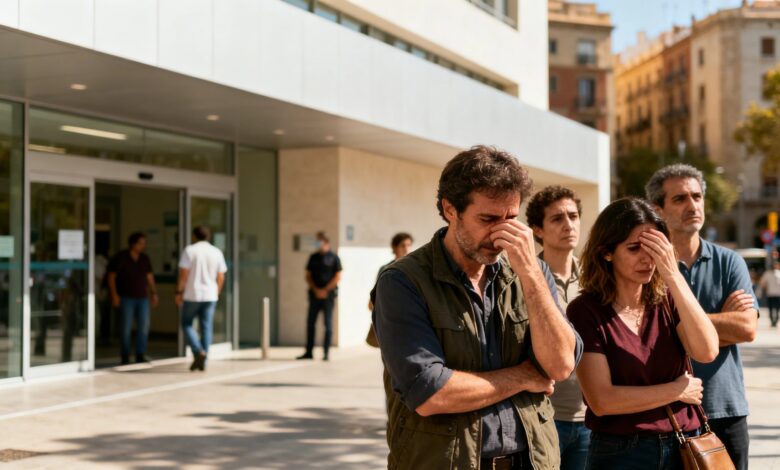
This family drama unfolded amid deep disagreements among relatives. The mother tried to support her daughter’s decision but, at the woman’s request, was not present in her final moments. The father, on the other hand, made every effort to stop the process through the courts and appeals to public organizations. According to RUSSPAIN, supporters from both sides gathered outside the medical facility on the day of the procedure, heightening tensions around the situation.
In an interview for the program Y Ahora Sonsoles The woman spoke about her loneliness and lack of support from her family. She also mentioned psychological trauma that had followed her since childhood, and how these circumstances influenced her decision. According to relatives, she did not invite her father to say goodbye and refused his presence at the funeral.
The role of the courts and society
The court’s decision became a pivotal moment in this story. Judges in Barcelona refused to introduce emergency measures at the father’s request and did not support his demand for additional treatment for his daughter. The European Court of Human Rights also found no grounds to suspend the procedure. These decisions sparked a strong reaction from organizations opposed to euthanasia, who staged protests outside the hospital.
Public opinion in Spain on the issue of euthanasia remains divided. Some believe the right to a dignified death should be a personal choice, while others fear abuse and call for stricter oversight. This case has once again raised the question of the need for clear rules and transparent procedures in such situations.
Consequences and context
The story of this young woman has become a symbol of the struggle for personal autonomy and the right to make difficult decisions. It also highlights the urgent need to support people with serious illnesses and mental disorders. According to RUSSPAIN.COM, such cases may prompt a review of legislation and the development of new standards for medical and psychological care.
In recent years, Spain has already seen cases where patients have sought the right to euthanasia through the courts. Each incident sparks debate and leads to new initiatives in healthcare. In 2021, the country passed a law permitting euthanasia under certain conditions, but its implementation continues to stir controversy. Similar developments in other European countries have also sparked public debates and legal proceedings.