José Luis Ábalos, ex-Transport Minister, calls his Supreme Court trial political and predetermined. Sentenced to over 24 years in prison for the mask case, he rejects the severity of the punishment.
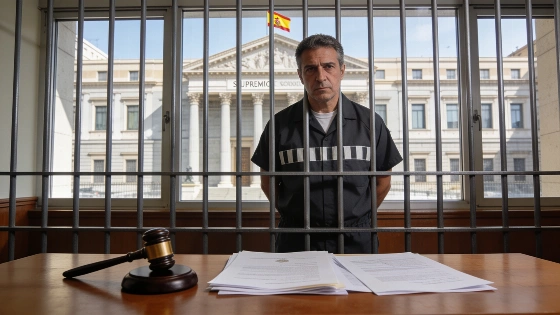
José Luis Ábalos, the former Minister of Transport, has sharply criticized the Supreme Court's handling of his case from his cell in Soto del Real prison. Convicted in the high-profile 'caso mascarillas', Ábalos described the proceedings as politically motivated and claimed the outcome was set in advance. He argued that both the physical and psychological toll of the process could have been avoided if the verdict had been clear from the start.
Ábalos, who received a sentence of 24 years and three months for charges including criminal organization, bribery, embezzlement, and influence peddling, expressed deep disappointment with the court's decision. He stated that while he anticipated a conviction, the length and severity of the sentence exceeded his expectations and, in his view, even surprised those who might have wished for the harshest possible outcome.
The former minister also directed criticism at businessman Víctor de Aldama, who was tried alongside him in the same corruption network. Although Aldama was sentenced to four and a half years, the court allowed him to avoid prison and exempted him from repaying €3.7 million in commissions. Ábalos suggested that Aldama's testimony only implicated individuals with political roles, reinforcing his belief that the case was shaped by political interests.
Ábalos's statements come at a time when the intersection of politics and judicial proceedings is under increased scrutiny in Spain. The controversy echoes recent developments involving other political figures, such as Leire Díez, whose independent testimony has intensified pressure on the PSOE leadership, as reported in coverage of internal party tensions.
The 'caso mascarillas' has become one of the most significant corruption scandals in recent years, highlighting the challenges of public procurement during the pandemic. The Supreme Court's decision against Ábalos underscores the judiciary's focus on high-level political accountability. According to Spanish legal practice, sentences of this magnitude are rare for former ministers, and the case has drawn attention to the broader implications for political figures facing corruption charges. The outcome may influence future legal strategies and the public's perception of political justice in Spain.