Barcelona’s Guardia Urbana dismantled a large homeless camp in Montjuïc. The city cited serious safety and hygiene issues. Most affected people declined temporary shelter offers from the municipality.
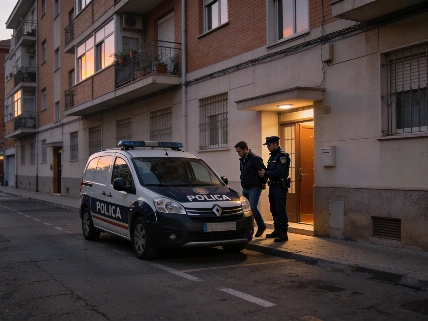
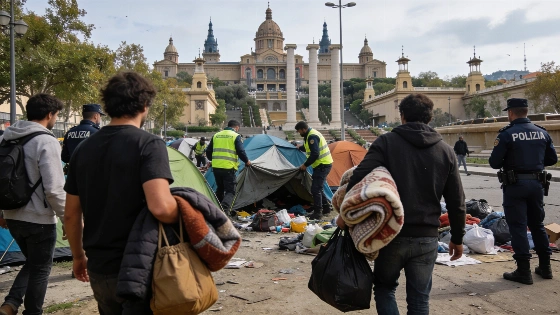
Barcelona’s Guardia Urbana, supported by Mossos d’Esquadra, launched a major operation early Friday to dismantle one of the city’s largest homeless encampments in Montjuïc. The intervention began at 8 a.m. and focused on the visible cluster of tents along Josep Carner street and the Miramar road, near the Litoral ring road and the fire station. Several dozen people, many facing severe health and social exclusion challenges, had been living in makeshift shelters at the site.
The city council justified the action by pointing to ongoing problems with safety, sanitation, and public order in the area. According to municipal sources, the majority of those removed from the camp are in extremely vulnerable situations, often compounded by mental health issues or addiction. Social services, cleaning teams, and the Barcelona Public Health Agency were also involved in the operation, aiming to address both immediate needs and environmental concerns.
While the city has not specified the exact number of people affected, organizations working with the homeless estimate that around 50 individuals were forced to leave. Typically, up to 70 people sleep in the area, but many had already left after being warned about the impending clearance. The Montjuïc encampment is just one of several informal settlements on the mountain, where more than 200 people were counted sleeping outdoors in May, according to city records.
As part of the response, the municipality offered temporary accommodation at the Barcelona Emergency and Social Urgencies Centre (CUESB). However, these offers are rarely accepted by the homeless population, who often distrust institutional shelters. The city’s approach has drawn attention to the broader issue of chronic homelessness and the lack of long-term solutions for those living in precarious conditions.
The clearance comes a day after Daniel Sirera, leader of the PP in Barcelona, publicly called for the removal of all encampments across Montjuïc. The area has become a visible refuge for people pushed to the margins, with a mix of homelessness, addiction, petty crime, and poor hygiene making it a persistent challenge for local authorities. Similar social tensions and public safety concerns have been reported in other parts of Spain, such as the scrutiny over playground safety and social discomfort in Madrid, as highlighted in recent coverage of urban issues in the capital.
Barcelona’s ongoing struggle with homelessness reflects a wider trend in major Spanish cities, where rising housing costs and limited social support have left many without stable shelter. The city’s emergency measures, while addressing immediate risks, underscore the need for more sustainable policies to tackle the root causes of exclusion and precarious living. Montjuïc’s encampments remain a stark reminder of the social divides that persist despite ongoing municipal efforts.