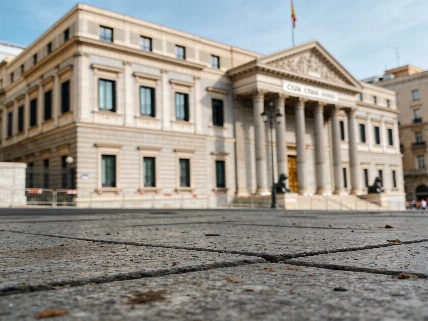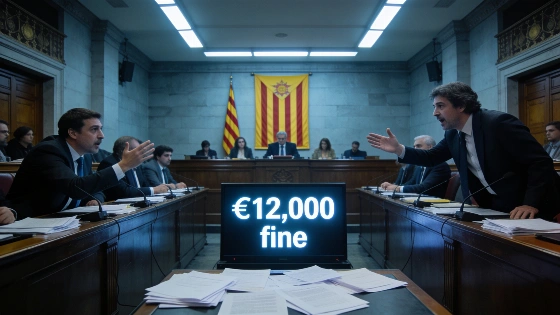
Catalonia's Parliament is preparing to introduce strict penalties for hate speech and misconduct. Lawmakers could face fines of up to €12,000 and public reprimands. The reform addresses concerns over offensive language in political debate.
The Parliament of Catalonia is preparing to reform its internal regulations with a clearer disciplinary structure for hate speech and other misconduct by deputies. Backed by PSC, Junts, ERC, Comuns and CUP, the initiative follows recommendations from the Parliament’s Comissió de l’Estatut del Diputat and would supplement the chamber’s existing Code of Conduct. It sets out minor, serious and very serious violations, with penalties tied to the nature and gravity of the conduct.
The proposed law, comprising nine articles, was formally presented this week after the commission recommended it. Under the proposed rules, deputies would be explicitly barred from using language deemed offensive or defamatory when it discriminates, slanders or incites hatred in any form of communication. The reform also clarifies procedures for reconsideration requests and calls to order, reinforcing deputies’ obligation to follow the chamber’s rules and Code of Conduct.
Sanctions would vary by severity. Minor breaches, such as failing to uphold Parliament’s principles and conduct rules, would bring a public reprimand. More serious violations, including providing incomplete information about compliance with obligations or accepting gifts valued between €150 and €600, could bring a public reprimand and a fine of €600 to €6,000. The most serious offences, including intentionally providing misleading information, failing to abstain in a conflict of interest, accepting gifts worth more than €600, or engaging in threats or violence, would carry a public reprimand and fines of €6,001 to €12,000. In the most serious cases, a deputy could also be barred from representing Parliament in delegations or interparliamentary forums for up to one year. The proposed rules also cover conflicts of interest, declarations, gifts, threats and violence within a more explicit disciplinary structure.
The reform follows recent disciplinary decisions involving Sílvia Orriols, leader of Aliança Catalana, and Joan Garriga, Vox’s parliamentary spokesperson. The Mesa del Parlament issued public reprimands after the relevant parliamentary commission classified their conduct as minor breaches of Article 7 of the Code of Conduct, which requires deputies to behave respectfully. The cases show that the current structure has relied on public reprimands for minor violations. The proposed regime would establish a more detailed scale of consequences.
A basic dispute concerned Orriols’ remarks about ERC deputy Najat Driouech, including references to Driouech’s Islamic veil and alleged links to fundamentalism and misogyny. Parliament President Josep Rull warned that the Code of Conduct could be applied repeatedly when a deputy targeted another member. Rull defended the process as enforcement of an internal rule approved unanimously by the chamber. Orriols rejected the reprimand, saying, “I do not accept your lectures,” and argued that constitutional values were being used against her. The exchange exposed the dispute over where parliamentary freedom of expression meets rules intended to protect dignity and prevent discriminatory conduct. ERC figures, including Josep Maria Jové, also defended Driouech and condemned Orriols’ remarks.
The proposed regime is still awaiting parliamentary approval; its new sanctions are not yet in force. Until the rules are adopted, the public reprimands of Orriols and Garriga remain the clearest examples of the chamber’s existing enforcement practice. If approved, the Comissió de l’Estatut del Diputat and the Mesa would have basic roles in applying the rules. The reform aims to give Parliament clearer procedures and consequences as political debate grows increasingly polarised. In a related context, Catalan authorities have also faced scrutiny over their handling of sensitive cases, including compensation awarded to a child abuse victim in a Barcelona protection centre, as reported in this recent coverage.