Ceuta’s nights have become tense as the city adapts to a surge in migrants. Residents patrol neighborhoods, nightlife has faded, and security forces face new challenges. The atmosphere is far from the usual summer calm.
Ceuta’s nights have shifted dramatically in recent weeks, with tension replacing the city’s usual summer atmosphere. As darkness falls, empty bars and deserted streets highlight the impact of a month-long crisis that has altered daily life. In the city center, nightlife venues that once drew crowds now stand nearly empty, with staff waiting idly for closing time. Residents move quickly through the streets, and the absence of the annual Feria has left a noticeable void in the city’s social life.
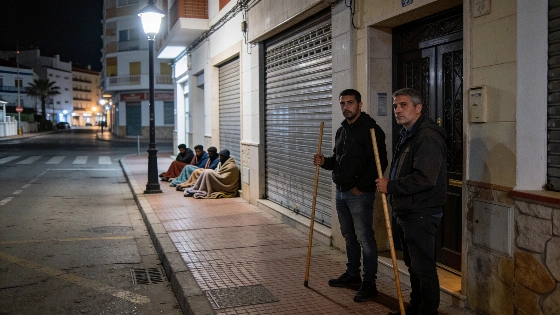
In outlying neighborhoods such as Rosales, Loma Colmenar, El Zurrón, Juan Carlos I, and El Príncipe, the situation is even more strained. Locals have begun patrolling their streets with sticks, while beaches and industrial areas remain silent except for small fires and groups of migrants sleeping outdoors. The usual late-August vibrancy has been replaced by caution and unease, with many residents organizing via WhatsApp to monitor activity and discourage the presence of migrants.
Incidents have become more frequent. At the karaoke bar Mambo, a confrontation erupted when two migrants attempted to enter and were denied, leading to threats and a police call. Other venues, like La Catedral and El Poblado Marinero, report minimal attendance, with many staff staying home due to safety concerns. According to local security staff, the atmosphere has deteriorated as migrants, lacking resources and shelter, become increasingly desperate and confrontations grow more violent.
Just ten minutes from the center, Loma Colmenar’s temporary shelter is overwhelmed, forcing thousands to sleep outdoors across dozens of city blocks. Migrants, including many teenagers, seek rest wherever possible—on sidewalks, in parks, under cars, or in drainage channels—using blankets and plastic sheets for cover. Many express reluctance to return to Morocco, preferring to endure hardship in Ceuta rather than face failure at home.
Security forces are stretched thin. While the National Police and Civil Guard handle most public order duties during the day, the army patrols hills and outskirts at night. Recent nights have seen attacks on military patrols, resulting in injuries and arrests. The Ministry of the Interior reports that around 100 people have been expelled from Ceuta in the past month for criminal activity. Hospitals have also seen an uptick in cases related to clashes, including injuries to soldiers from stone-throwing incidents.
By early morning, the beach at El Tarajal resembles a refugee camp, with thousands sheltering under makeshift tents and small fires burning for warmth. Some migrants have improvised ways to charge mobile phones using streetlights. Despite the tension, Ceuta’s residents attempt to resume normal routines as daylight returns, reclaiming beaches and public spaces as best they can.
Ceuta’s current situation reflects broader challenges faced by Spanish border cities. The city’s unique geography—bordering Morocco and separated from mainland Spain—makes it a focal point for migration and security issues. Spanish authorities continue to balance humanitarian needs with public order, but the strain on local infrastructure and community relations remains high. The events in Ceuta highlight the complexities of migration management at Europe’s southern frontier and the immediate impact on daily life for both residents and newcomers.