Ceuta's forensic service faced an unprecedented crisis after 82 migrants died in just two days. The team, led by Manuel Aparcero, worked under extreme pressure to identify victims and ensure dignified treatment.
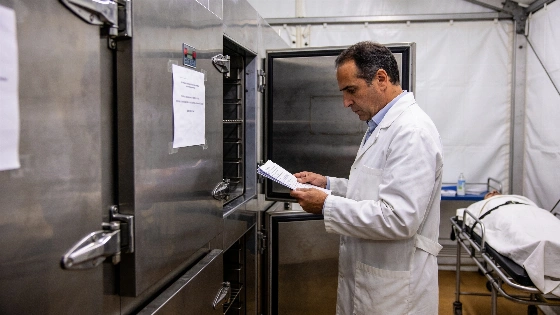
Ceuta's forensic services have faced one of their most challenging moments after 82 migrants lost their lives in a matter of days during a mass crossing attempt at the end of July. The director of the Institute of Legal Medicine in Ceuta, Manuel Aparcero, described how his small team was pushed to its limits, with only three forensic doctors and seven refrigerated chambers available to handle the sudden influx of bodies. The crisis exposed the city's limited capacity to respond to large-scale tragedies linked to migration.
On July 30, Aparcero and his colleagues were called to El Tarajal beach, where they worked alongside Guardia Civil divers and volunteers to recover bodies and attempt resuscitations. The flow of people entering Ceuta by sea and land was relentless, and the forensic team quickly realized the situation would overwhelm their resources. According to Aparcero, the emotional toll was severe, with many team members struggling to process the scale of the tragedy even weeks later.
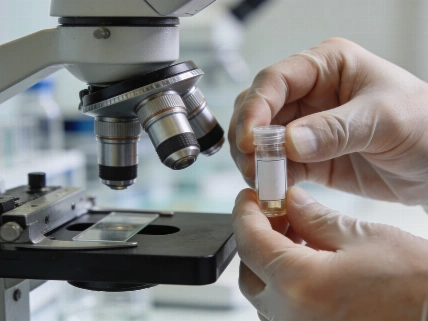
Despite the pressure, the team prioritized the identification and respectful handling of each victim. All but six of the deceased remain unidentified, but autopsies and preliminary reports have been completed and sent to the courts. Biological samples and forensic records were collected in coordination with the Guardia Civil's criminalistics unit, with hopes that family-provided profiles or fingerprint matches with Moroccan authorities will eventually reveal the victims' identities. However, the process of burial has already begun, as the legal time limits for body preservation are being reached.
The city had to adapt quickly, converting the old military hospital into a temporary morgue with enhanced refrigeration, though it could not provide full freezing. The Ministry of Justice was notified immediately, triggering the Real Decreto 32/2009 protocol for mass casualty events. Reinforcements arrived from other regions, including forensic doctors and autopsy technicians from Albacete, Salamanca, Valladolid, and Badajoz. The Ministry has since promised a permanent increase in staff to help manage the ongoing workload.
During the intense three-day period when autopsies were performed, the team worked up to 14 hours daily. Special care was taken to ensure each body was traceable throughout the process, with identification numbers and judicial records attached. The team also ensured that all deceased received the Muslim purification ritual and were wrapped in clean shrouds, reflecting a commitment to dignity despite the judicial procedures involved.
Ceuta regularly faces migrant deaths, but never on this scale. In 2025, 46 drownings were recorded, but the recent surge brought 80,000 people to the city in just two days, leaving 5,000 migrants stranded and over 2,100 minors under state care. The Institute of Legal Medicine continues to play a key role, not only in handling fatalities but also in determining the age of unaccompanied minors through dental and bone imaging, a process that remains ongoing with support from forensic experts across Spain.
In addition to managing the aftermath of the tragedy, the forensic team is also responsible for evaluating reported sexual assaults, which have seen a slight increase in recent days. Aparcero, who has worked in various Spanish regions and teaches at the University of Cádiz, emphasizes the breadth of forensic medicine, noting that most of their work involves living individuals, from assessing injuries in accidents to evaluating legal capacities.
Spain's migration challenges continue to test local services. The situation in Ceuta highlights the strain on forensic and social resources during mass arrivals. For context, other regions have faced their own crises, such as the recent suspension of the R3 Rodalies line in Catalonia due to cable theft, which disrupted thousands of commuters and underscored the vulnerability of essential infrastructure.
Ceuta's experience demonstrates the need for rapid coordination between local and national authorities in the face of humanitarian emergencies. The legal framework for handling mass fatalities, including protocols for identification and burial, is now being tested in real time. The ongoing identification of victims and the care for stranded minors remain urgent priorities for the city and its overstretched services.
Forensic medicine in Spain operates under strict legal and ethical guidelines, with each region maintaining its own Institute of Legal Medicine. These institutes are responsible for autopsies, age assessments, and forensic evaluations in both criminal and civil cases. The events in Ceuta may prompt further review of Spain's capacity to respond to large-scale incidents involving migrants, especially as migration routes and patterns continue to evolve in the Mediterranean region.