Ceuta neighborhoods have set up barriers and organized patrols to keep out migrants after a mass entry from Morocco. Many young migrants now hide in wooded areas, avoiding both residents and military patrols.
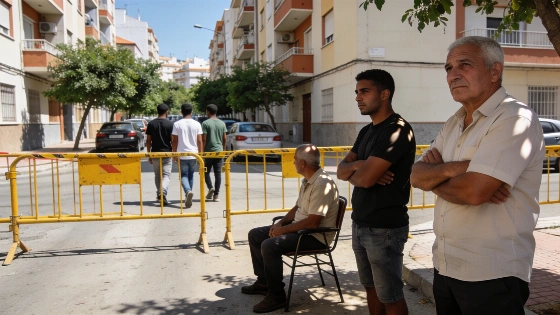
In Ceuta, local residents have taken security into their own hands after the recent mass entry of over 60,000 people from Morocco. Makeshift yellow construction fences now block streets in neighborhoods like Los Rosales, as neighbors and military patrols work to prevent migrants from entering residential areas. The city, with a population of 83,000, saw a sudden influx that quickly spread through its districts, prompting fears of break-ins and thefts among locals.
By Saturday, most of those who entered had returned to Morocco, often guided by the military. However, according to the autonomous city's government, several thousand young migrants remained, moving through residential neighborhoods, resting in shaded areas, or searching for food and water. Residents in Los Rosales pointed out multiple improvised barriers and shared accounts of minor thefts and confrontations, including an incident where a local man, visibly injured, claimed he was attacked after refusing a cigarette.
In nearby areas such as La Reina and El Príncipe, tensions remained high. Some migrants, expelled from one neighborhood, sought refuge near large mosques in hopes of receiving food. Videos circulated among residents showed violent incidents, including a stabbing. Military patrols were seen directing migrants toward the border, and only those with visible injuries were allowed to proceed to the hospital. As the city began to reopen businesses like bakeries and grocery stores, residents described ongoing anxiety and the need to remain vigilant.
In the Pantera neighborhood, long-time residents reported that groups from several districts had joined forces to drive out migrants, sometimes using sticks to threaten them. One woman described carrying a knife for protection while running errands, reflecting the heightened sense of insecurity. Migrants, meanwhile, were seen waiting outside partially opened shops, hoping to buy basic necessities. Some locals expressed sympathy, recalling Spain's own history of emigration, but also noted the strain on resources and the challenges of providing help.
By Sunday afternoon, small groups of migrants were still seen moving cautiously through the city, avoiding military patrols and seeking shelter in less monitored areas like the Benítez beach and nearby woods. Many planned to stay hidden until the situation calmed. According to one young man from Casablanca, the military repeatedly urged them to leave and abandon hopes of reaching Spain.
Ceuta's unique position as a Spanish enclave bordering Morocco has made it a frequent focal point for migration flows. The recent events highlight the ongoing challenges faced by both residents and migrants, as local authorities and citizens respond to sudden demographic shifts. The situation underscores the complexity of border management in the region and the social tensions that can arise when large numbers of people arrive in a short period. While most migrants have returned, the presence of those remaining continues to shape daily life and security measures in Ceuta's neighborhoods.