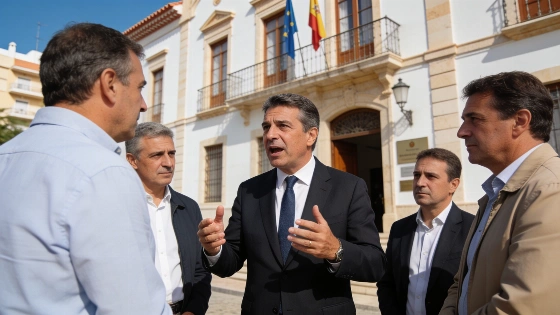
Ceuta’s leader, Juan José Vivas, has ended years of institutional harmony with Madrid. The city’s government now openly criticizes the national response to the recent surge in migrant arrivals. The shift marks a new phase in the crisis.
Ceuta’s political climate shifted sharply this week as Juan José Vivas, president of the autonomous city, publicly challenged the Spanish government’s handling of the ongoing migrant influx. After more than two weeks of heightened arrivals, Vivas, who has long maintained cordial relations with successive central administrations, openly criticized the executive led by Pedro Sánchez. The move signals a clear break from the cooperative tone that had defined interactions between Ceuta and Madrid in recent years.
Vivas’s decision to confront the central government comes amid mounting frustration over what local authorities describe as insufficient support and coordination. The city has faced significant pressure since the sudden increase in undocumented migrants crossing into Ceuta, straining local resources and administrative capacity. Until now, Vivas and his team had avoided direct conflict, preferring to resolve issues through dialogue. However, the latest developments have prompted a more assertive stance, with the president making clear his dissatisfaction with the national response.
This escalation follows a period of relative calm in relations between Ceuta and Madrid, even during previous episodes of tension. The current crisis, however, appears to have exhausted the city’s patience. According to Vivas, the situation on the ground requires urgent and decisive action from the central government, not just expressions of solidarity. The city’s leadership now demands concrete measures to address the challenges posed by the influx, including logistical support and policy changes.
The shift in tone from Ceuta’s government reflects broader concerns about the sustainability of local services and the impact on daily life. The city’s administration argues that without stronger intervention from Madrid, the strain on infrastructure and public order could intensify. This new phase of open confrontation is likely to influence future negotiations and may set a precedent for other regions facing similar pressures. The growing rift is reminiscent of earlier warnings from Ceuta’s leadership, as seen when Vivas threatened legal action if the government failed to act, a stance detailed in a recent report on how the city’s demands for urgent solutions have escalated into formal challenges: Ceuta’s leadership pushes for stronger action from Madrid.
Ceuta’s strategic location on the North African coast has long made it a focal point for migration into Spain and the European Union. The city’s unique status as an autonomous enclave brings additional administrative complexities, especially during periods of increased arrivals. The current dispute highlights the delicate balance between local autonomy and national oversight in managing border challenges. As the situation develops, the outcome of this confrontation may influence Spain’s broader approach to migration policy and intergovernmental cooperation. The episode also underscores the importance of clear communication and shared responsibility between regional and central authorities when responding to crises that have both local and national implications.