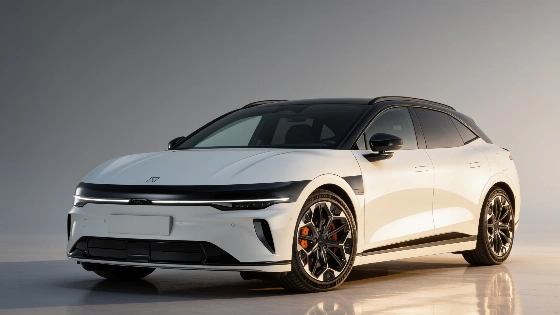
Chinese authorities are sounding the alarm as local carmakers slash development cycles to as little as 18 months. The push for speed, driven by AI, now collides with mounting concerns over safety and long-term reliability.
Chinese regulators have launched a year-long safety campaign, rolling out surprise inspections and proposing to double the required road testing for new energy vehicles to 30,000 kilometers. The move comes as some manufacturers push to bring new models to market in just 18 months—less than half the time that was once standard. According to Reuters, the campaign covers about 100 domestic manufacturers and will run until the end of 2026, following a joint notice from four government agencies, including the Ministry of Industry and Information Technology (MIIT).
This rush, powered by artificial intelligence and digital validation tools, has changed the pace of the global auto industry. Western brands, once hesitant, are now looking to Chinese partners to keep up. Renault’s Twingo E-Tech was developed in China in 21 months, and Volkswagen’s ID.UNYX 08, built with Xpeng, took 24 months. The old three-to-five-year timeline is quickly becoming outdated for anyone hoping to compete in China’s fast-moving car market.
Chinese authorities are considering increasing the minimum required road test mileage for new energy vehicles from 15,000 km to 30,000 km, a move that could significantly slow down the certification process for fast-moving manufacturers.
But the speed has brought new worries—not from foreign competitors, but from China’s own regulators and industry leaders. The main concern is that digital shortcuts can’t fully replace the physical durability and safety testing that used to take years. As Chery executive Li Xueyong put it, “There are simply development timelines we cannot afford to shorten.” Many in the industry now agree that cutting development time further could put both safety and quality at risk, a view regulators are starting to share.
The government has already tightened rules on batteries, driver assistance systems, and even door handle designs. Now, officials are asking whether the push for faster launches is eroding the safeguards that protect drivers and passengers. The worry isn’t just theoretical: physical endurance tests can’t be compressed to match the speed of digital simulations, no matter how advanced the software. Officials say this regulatory campaign is not a one-off, but part of a broader effort to strengthen quality and safety controls in the fast-growing NEV segment.
For carmakers, the pressure is immediate. Consumers want frequent updates and new models, while shrinking profit margins leave little room for delays. The industry faces a tough choice: slow down and risk falling behind, or speed up and risk recalls or damage to reputation if safety suffers.
The regulatory campaign, which began on August 27, 2026, requires manufacturers to submit detailed reports on product quality, reliability, and durability. This marks a significant escalation in oversight, as previous regulatory tightening had already targeted batteries and advanced driver assistance systems.
AI can help streamline component validation and digital review, but the sector now faces a key question: where can months be safely cut, and where must traditional road testing remain? The answer will shape not just the next generation of Chinese vehicles, but global standards for automotive safety and reliability.
As reported earlier, the race to deliver affordable electric cars is already changing the European market, with Chinese expertise playing a central role.
China’s regulatory crackdown marks a rare pause for an industry used to moving fast. The willingness of authorities to step in—even if it slows innovation—shows that leaders see the limits of digital acceleration. In the end, the real test for China’s carmakers is not how quickly they can launch the next model, but whether those vehicles can stand up to the demands of the road and global competition. The balance between speed and safety is now the central challenge for the country’s ambitious automotive sector.