Hazte Oír has filed a legal complaint against Sofía Puente, accusing her of altering the Grandchildren Law in a way that impacts Spain's electoral census. The case centers on changes made during the law's publication in the BOE.
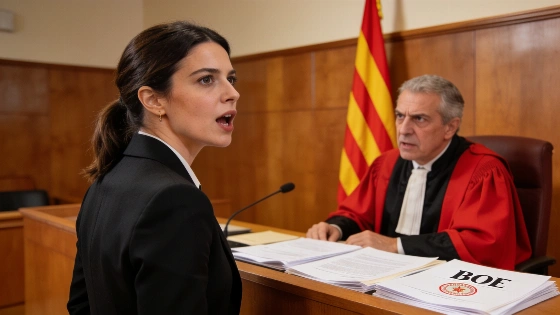
A legal complaint targeting Sofía Puente, former director general of Legal Security and Public Faith at the Ministry of Justice, has intensified debate over Spain's Grandchildren Law and its impact on the electoral census. The association Hazte Oír accuses Puente of administrative misconduct, alleging she introduced semantic changes to the law's official publication that broadened eligibility for Spanish nationality among descendants of those who lost citizenship after the Civil War.
The controversy centers on the transition of the Grandchildren Law from parliamentary approval to its final form in the Boletín Oficial del Estado (BOE). According to the complaint, the original law required proof of exile for political, ideological, religious, or sexual orientation reasons. However, the published instruction reportedly replaced this with a presumption based solely on having left Spain between July 18, 1936, and December 31, 1955, regardless of motive. This adjustment, critics argue, allowed a much wider group—including those who emigrated for non-political reasons—to claim Spanish nationality.
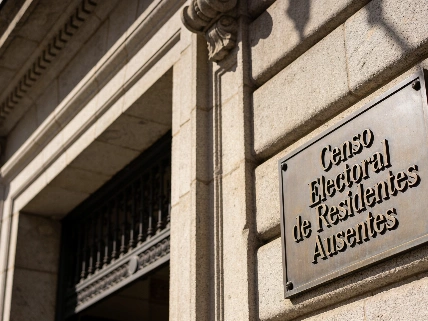
Hazte Oír claims that these changes have led to hundreds of thousands of new nationality grants, particularly benefiting individuals in countries such as Mexico, Cuba, and Argentina. The association argues that this influx has altered the CERA (Censo Electoral de Residentes Ausentes), Spain's electoral roll for citizens abroad, with measurable effects on the composition of the Congress of Deputies. The complaint asserts that the injustice is not hypothetical but documented and quantifiable, referencing Supreme Court doctrine on materially unjust outcomes.
The legal filing accuses Puente of overstepping her authority, stating that neither government regulations, ministerial orders, nor internal instructions can modify the legal framework established by Parliament. Hazte Oír maintains that the instruction did not merely clarify or facilitate administrative procedures but fundamentally changed the criteria for eligibility, constituting a breach of administrative law. Puente, who left her post in November 2023, is alleged to have acted in bad faith by shifting the evidentiary requirements set by lawmakers.
This case is not isolated. The Grandchildren Law, promoted in 2022 by the Ministry of Democratic Memory, has already prompted two complaints to the Central Electoral Board (JEC) over alleged manipulation of the overseas vote. The debate over the law's scope and its electoral consequences echoes broader concerns about political influence and legal loopholes in Spain, as seen in other recent cases such as the exposure of confidential data involving high-profile figures—an issue explored in detail in a previous report on legal gaps and privacy controversies.
For context, the Grandchildren Law was designed to address historical injustices by allowing descendants of exiles to reclaim Spanish nationality. However, the practical implications of its implementation have sparked debate over the balance between reparative justice and the integrity of the electoral process. The outcome of the complaint against Sofía Puente may set a precedent for how administrative instructions can shape the application of parliamentary laws, especially when they intersect with sensitive issues like citizenship and voting rights.