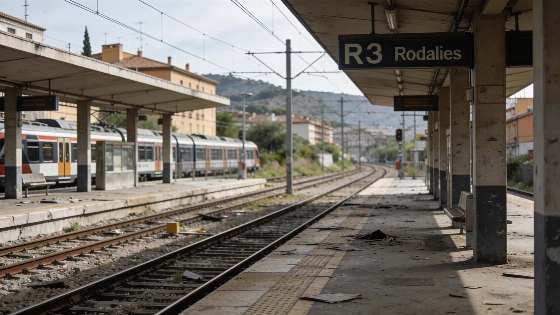
A copper cable theft has forced a full suspension of the R3 Rodalies line. The disruption affects key routes between L’Hospitalet and Puigcerdà. Authorities are working to restore service amid ongoing infrastructure challenges.
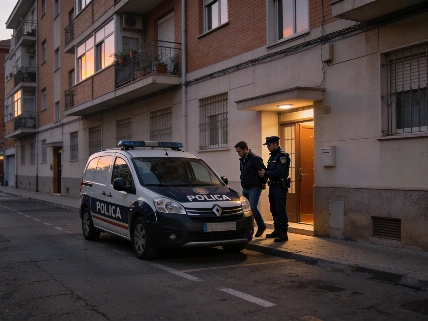
The R3 Rodalies line, connecting L’Hospitalet de Llobregat and Puigcerdà via Barcelona, Granollers, Vic, and Ripoll, was brought to a complete standstill on Wednesday afternoon after a critical incident disrupted the railway’s traffic regulation system. According to Adif, the interruption was triggered by a theft of copper fiber optic cable between Les Franqueses and La Garriga, which compromised the safety of train operations and forced all services to be suspended from 15:30 onwards.
The disruption was detected at Adif’s control center in the Estació de França, where the loss of signal integrity made it impossible to guarantee safe train movement. Initial investigations confirmed that the incident was directly linked to the cable theft, a recurring problem for the R3 line. Adif has stated that restoring normal service is now the top priority, but no timeline has been provided for the resumption of operations.
This is not the first time the R3 has faced such issues. The line has been plagued by chronic infrastructure problems and repeated service interruptions. In July, a similar incident led to a full suspension, initially believed to be caused by copper theft, though the cause was later revised without public clarification. Each time, authorities have implemented alternative road transport between Fabra i Puig (Barcelona) and Puigcerdà, while passengers between L’Hospitalet and Fabra i Puig have been redirected to the R4 line.
Since October, the R3 has been undergoing extensive works, including a major track closure between L’Hospitalet and La Garriga, originally scheduled to last until May. The plan was to reduce the affected section to Mollet-La Garriga by spring, but a collapsed wall from a cement factory in Montcada in March further delayed progress. Adif and the factory are currently in a legal dispute over responsibility for the wall, with Adif now taking charge of reconstruction. The reopening of the entire line has been postponed to January 2027, pending completion of the double-tracking project between Parets and La Garriga.
Service on the R3 has been sporadic throughout the year. After a train accident in Gelida in January, Renfe and Adif suspended the entire line, citing the need for urgent works on embankments and tunnels. Partial service between La Garriga and Ripoll resumed briefly in March but was halted after just eight hours due to objects found on the tracks. The section between Ribes de Freser and Puigcerdà reopened in July, only to close again within hours after a fallen tree damaged the overhead lines. Despite these setbacks, limited train service has continued between Puigcerdà and Vic during July.
The ongoing disruptions on the R3 highlight the vulnerability of Catalonia’s rail infrastructure to both criminal acts and structural weaknesses. Before the major closure in October, the line carried around 20,000 passengers daily, underlining the significant impact of these repeated incidents. The situation on the R3 echoes broader concerns about transport security and infrastructure resilience in Spain, as seen in other high-profile cases such as the recent border security review in Ceuta, which was discussed in detail in a report on the National Court’s request for a Guardia Civil assessment.
Railway theft, particularly of copper, remains a persistent challenge across Spain, causing costly delays and undermining public confidence in regional transport. The R3’s ongoing reconstruction and legal disputes further complicate the timeline for full restoration. For now, passengers must rely on alternative transport options, while authorities continue efforts to secure the network and resolve the underlying issues that have left one of Catalonia’s key rail arteries repeatedly out of service.