A Catalan study of 30,000 PCR samples found Covid peaks in August and September. The pattern has reopened debate over the timing of autumn vaccination, but researchers say more evidence is needed.
For three consecutive years, Covid outbreaks in Catalonia have peaked in August or September. A study of 30,000 PCR samples found the same pattern as respiratory infections crossed the epidemic threshold again and Covid positivity reached 27.2%.
That raises a practical question: should vaccination start before the current mid-September to mid-October window? Spain's autonomous communities generally offer Covid and influenza protection during that period. Researchers have raised the issue but have not called for a change to the autumn campaign.
Catalonia’s SIVIC surveillance system monitors SARS-CoV-2 in real time alongside influenza and RSV, as well as other respiratory pathogens. Its regional data help track changing seasonal patterns.
Aida Perramon-Malavez led the study. She works with the Primary Care Information System at the Catalan Institute of Health, or ICS. The paper appeared in Eurosurveillance, the journal of the European Centre for Disease Prevention and Control.
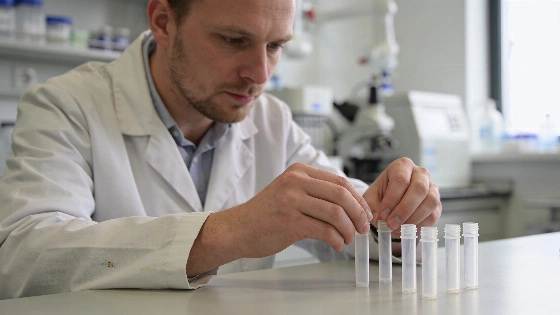
The research team tracked 18 respiratory viruses in Catalonia from 2022 to 2025. Separate reporting on the same regional surveillance work describes an analysis of more than 33,000 samples. Some viruses stayed active at low levels throughout the year; others formed clearer waves between late autumn and early winter.
The region has also faced other alerts, including an earlier Catalan warning. This study relied on laboratory surveillance, not weather monitoring.
At first, SARS-CoV-2 seemed to follow influenza's winter pattern. Then its timing changed. In each of the next three years, outbreaks began in spring, peaked in August or September, then fell toward the start of winter.
Researchers have seen a similar shift in places including the United Kingdom. Catalonia is following the same direction this season.
Catalonia began its combined influenza and Covid vaccination campaign on 5 October 2026, with expansion to additional groups scheduled for 26 October, information from the Catalan Department of Health. The timetable remains autumn-based even as surveillance points to repeated late-summer Covid peaks.
National surveillance shows how quickly the latest rise took hold. The Acute Respiratory Infection Surveillance System of the National Centre for Epidemiology recorded no Covid wave in 2026 until the start of September.
The surge came over the last two weeks. Respiratory infections reached 478.2 cases per 100,000 inhabitants, crossing the epidemic threshold for the first time since last winter.
Covid is driving the increase. Its positivity rate has climbed to 27.2%, although overall respiratory disease intensity remains low.
Jacobo Mendioroz, deputy director general for Public Health Surveillance and Emergency Response at the Generalitat of Catalonia and a co-author of the study, said the seasonal shift has no clear explanation. The virus may now be appearing when there is less competition from other respiratory viruses. Researchers do not consider the winter pattern definitively over.
If the pattern continues, public health authorities may need to review the timing and reach of vaccination campaigns. They may also assess the value of combined vaccines.
Mendioroz still considers October vaccination reasonable. He says one study cannot justify a change and that more surveillance is needed.
The Catalan programme targets people at higher risk rather than the entire population. Eligible groups include older adults, residents of long-term care facilities, pregnant people, young children, healthcare workers and people with chronic conditions.
During the 2025-2026 campaign, Catalonia administered 1,524,442 influenza vaccine doses and 934,309 Covid doses. Regional health data put influenza coverage among recommended groups at 39.6%.
Those figures show why timing matters: health authorities need to reach people before respiratory-virus activity rises.
Fernando Moraga-Llop, a paediatrician and spokesperson for the Spanish Association of Vaccinology, has also warned that changing the schedule would be difficult. Splitting Covid vaccination into two periods could weaken the campaign because of logistical challenges and public acceptance.
For now, the study calls for a review, not an immediate change. It neither cancels the autumn campaign nor proves that Covid has become a summer disease.
The findings are narrower: Covid showed a repeated late-summer pattern across three years, and that pattern now affects a live vaccination decision in Spain. Keeping the October timetable while tracking whether the August and September peaks continue avoids moving the campaign before stronger evidence emerges, while still recognizing the shift.