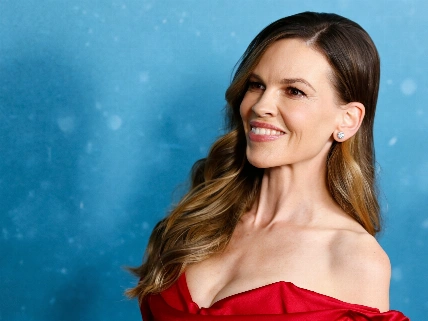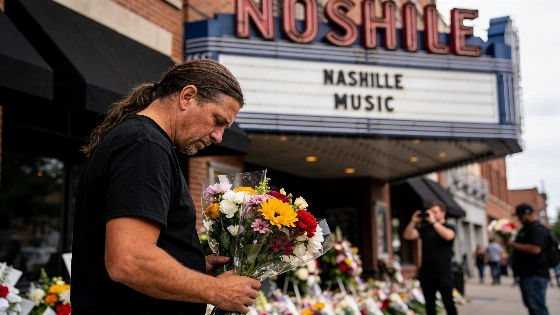
Dolly Parton has died in Nashville at 80. She built a global career without aligning with any political party, yet consistently spoke out on key social issues. Her approach set her apart in American culture.
Dolly Parton, one of the most influential figures in American music and culture, has died at the age of 80 in Nashville. Her career, spanning more than sixty years, was marked by an unusual ability to remain outside partisan politics while still addressing some of the most divisive issues in the United States. Parton, who grew up in poverty in the mountains of Tennessee, became a household name with hits like Jolene, I Will Always Love You, and 9 to 5, selling over 100 million records worldwide.
Throughout her life, Parton deliberately avoided endorsing political parties or candidates, insisting that her audience included people from all backgrounds and that she did not want to influence their choices. Despite this, she was never silent on matters she considered important. She spoke openly about women's rights, equality for LGBTQ+ people, and racial justice, making her voice heard without tying herself to any political movement.
Her stance was tested on several occasions. In 2017, after appearing at the Emmy Awards with Jane Fonda and Lily Tomlin, her co-stars from 9 to 5, she distanced herself from comments interpreted as criticism of then-president Donald Trump. Parton later explained that she had her own political opinions but preferred not to share them publicly if it meant alienating her fans. She believed that artists risked their careers by taking sides and that respect for her audience was paramount.
Parton's approach was not always easy to maintain. During the 2016 presidential race, she commented that Hillary Clinton was highly qualified for the presidency, which some media outlets took as an endorsement. She quickly clarified that she was not supporting any candidate and that her remarks had been taken out of context. In 2021, she revealed that she had declined the Presidential Medal of Freedom from both the Trump and Biden administrations, citing personal reasons and concerns about appearing political.
Despite her reluctance to be seen as a political figure, Parton was clear about her support for same-sex marriage and the rights of transgender people, long before these issues gained wider acceptance. She consistently advocated for treating everyone with respect and allowing people to live as they are. On racial issues, she publicly supported the Black Lives Matter movement and removed the word Dixie from one of her shows, acknowledging its offensive connotations.
Parton also addressed gender equality, stating that if supporting women made her a feminist, she accepted the label, though she avoided activism or slogans. She was a strong proponent of equal pay for equal work, emphasizing fairness in the workplace.
Her 2023 song World on Fire captured her frustration with political divisions, criticizing both current and past politicians for prioritizing party over people. When asked which politician she was referring to, she replied that her criticism applied to all, underlining her consistent refusal to be drawn into partisan debates.
Parton's death comes at a time when the United States remains deeply divided. Her ability to connect with people across the spectrum, while maintaining her own principles, set her apart in the entertainment industry. As a point of comparison, the challenges of navigating public opinion and controversy have also been seen in other high-profile cases, such as the investigation into a woman's death on Puçol Beach, which drew significant attention and required careful handling by authorities. More details on that case can be found in this recent report.
Parton's legacy is defined by her music, her philanthropy, and her unique approach to public life. She leaves behind a vast catalog of songs and a reputation for generosity, having funded literacy programs and contributed to disaster relief efforts. Her refusal to be boxed in by political labels allowed her to remain relevant and respected across generations. In the context of American and global culture, her passing marks the end of an era for an artist who managed to bridge divides without compromising her values.