Elsa Pataky marks a decade abroad by spotlighting Madrid’s evolving character. The actress reveals which city rituals and places remain irreplaceable, and how Madrid’s new energy shapes her visits.
Madrid’s urban landscape has changed dramatically in recent years, and Elsa Pataky’s recent return to the Spanish capital underscores just how much the city’s rhythm and identity have shifted. After a decade living in Australia, the actress and Gioseppo ambassador describes a city that feels more cosmopolitan than ever, with a surge of new restaurants, terraces, and hotels redefining daily life for locals and visitors alike.
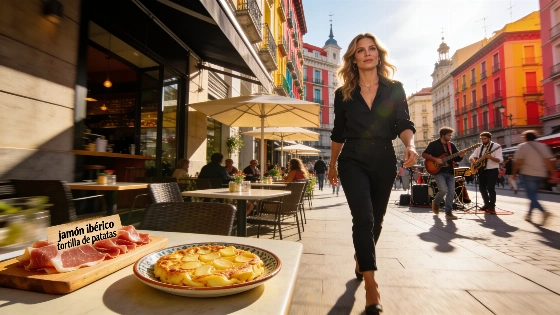
Pataky, who spent her formative years in Madrid before relocating abroad, now splits her time between Australia and international film sets. Despite her long absence, she notes that Madrid’s culinary scene remains a powerful draw. Each arrival at Barajas Airport is marked by a familiar ritual: gathering friends for dinner at the city’s latest hotspots. For Pataky, the first taste of jamón ibérico and tortilla de patatas is non-negotiable—these staples, she says, are impossible to replicate outside Spain.
Family and tradition remain at the heart of her visits. Pataky points to the Spanish custom of sobremesa—lingering at the table for extended conversations after a meal—as a cultural hallmark she cannot recreate in Australia. Her children, raised in Byron Bay, are captivated by these traditions and the stories that come with them, which are absent from their daily routine abroad.
When it comes to nostalgia, Pataky gravitates toward the neighborhoods and streets of her childhood. Although her family no longer owns a home in Madrid, she often returns to these familiar areas to reconnect with her roots. Navigating crowded spots like Plaza Mayor can be challenging due to her public profile, but she still enjoys the city’s vibrant atmosphere and the warm reception from locals.
For those visiting Madrid for the first time, Pataky’s recommendations are clear: stroll through the historic center, sample tapas, jamón, and tortilla de patatas, and take advantage of the city’s many terraces. Shopping preferences include Zara and Loewe accessories, while Diptyque candles are her go-to gift. On the culinary front, she highlights Arima on Ponzano for Basque cuisine, Bar Manero as a recent discovery, and Restaurante Lana for its meat-focused menu—especially when dining with her husband. Family outings often involve attending one of Madrid’s many shows, reflecting the city’s diverse cultural offerings.
Pataky singles out the Thyssen Museum as a personal favorite, and for social gatherings, she recommends cocktails at Hotel Santo Mauro. El Retiro remains her preferred park, while Tacha Beauty is her chosen spot for self-care. Chamberí stands out as her favorite neighborhood, balancing lively venues with quieter streets. For accommodations, she suggests The Madrid Edition and its Oroya restaurant. Recent excursions have taken her to Pedraza and the Casa Taberna hotel, as well as to Cáceres for a meal at Atrio and a visit to the Helga de Alvear Contemporary Art Museum. She has also discovered Los Ciruelos in Cercedilla for horseback riding and enjoys exploring the Sierra Madrileña. A visit to the Banksy Museum remains on her list.
Madrid’s transformation is not unique among European capitals. The city’s rapid modernization and growing appeal to international visitors mirror trends seen in other major cities. For example, the evolving role of European capitals in balancing tradition and modernity was also evident during high-profile events such as the royal banquet attended by Princess Elisabeth of Belgium and Japan’s imperial couple, as covered in recent reports on shifting European social dynamics.
According to ¡HOLA!, Pataky’s perspective highlights how Madrid’s blend of heritage and innovation continues to attract both locals and international residents. The city’s ability to reinvent itself while preserving its cultural core is a key factor in its renewed appeal, especially for those who, like Pataky, maintain strong ties despite living abroad. For context, Madrid is Spain’s largest city and a major European capital, with a population exceeding 3 million. Its historic center, world-class museums, and vibrant nightlife have long made it a destination for both tourists and expatriates. The city’s recent surge in new hospitality venues and cultural offerings reflects a broader trend of urban renewal across Europe, positioning Madrid as a leading example of how tradition and modernity can coexist.