Daneidy Barreras Rojas, known as 'Epa Colombia', was transferred to La Picaleña prison after repeated disciplinary violations. The influencer lost privileges granted under Gustavo Petro's presidency. Authorities cite rule breaches and complaints.
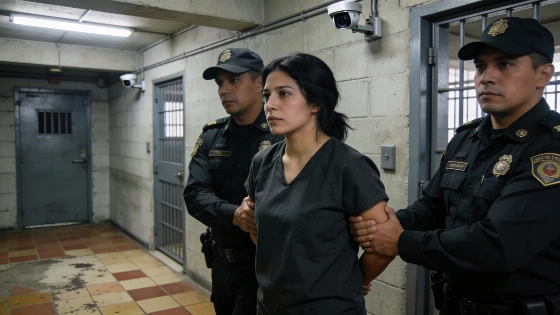
Daneidy Barreras Rojas, widely recognized as 'Epa Colombia', has been transferred from her special detention facility in Bogotá to the maximum security La Picaleña prison in Ibagué. The move follows a series of disciplinary violations and complaints, which led authorities to revoke the privileges she previously received during Gustavo Petro’s presidency. The decision coincided with the inauguration of President Abelardo de la Espriella, whose administration has begun relocating high-profile inmates, including those linked to organized crime and public order cases.
'Epa Colombia' was originally convicted by the Supreme Court for her involvement in the 2019 vandalism of Bogotá’s TransMilenio public transport system. The court found her guilty of inciting criminal acts with terrorist intent, aggravated damage to public property, and disrupting public transport services. According to judicial sources cited by EL TIEMPO, repeated attempts to transfer her due to disciplinary issues were previously blocked by interventions from then-president Gustavo Petro.
Among the complaints were reports that Barreras Rojas accessed beauty treatments despite her convicted status and allegedly mistreated both guards and fellow inmates. The most recent violation involved taking a selfie inside her detention area, where mobile phones are strictly prohibited. The image was later shared on social media, prompting an internal review by prison authorities. Additionally, she reportedly received a lawyer’s visit in a location where phones are not allowed, further raising concerns about compliance with prison regulations.
With the change in government and the end of Petro’s influence, the authorities proceeded with her transfer to a stricter facility. EL TIEMPO previously reported on the arrival of luxury vehicles and alleged gifts for 'Epa Colombia', claims which her legal team has denied. The case highlights ongoing debates in Colombia about the management of high-profile inmates and the enforcement of prison rules. Similar controversies over special treatment and rule enforcement have surfaced in other countries as well, such as when US activist Fergie Chambers faced extradition proceedings in Spain, drawing attention to the challenges of balancing legal process and public scrutiny.
La Picaleña prison in Ibagué is one of Colombia’s most secure facilities, designed to house inmates considered high-risk or requiring strict supervision. The transfer of 'Epa Colombia' underscores the shift in policy under the new administration, which appears determined to standardize the treatment of all prisoners regardless of their public profile. The case also reflects broader issues in the Colombian justice system, where the intersection of celebrity, politics, and legal enforcement often generates public debate. As of 2026, Colombia continues to grapple with prison overcrowding, security concerns, and the need for consistent application of regulations across its penitentiary system.