Daneidy Barrera, known as Epa Colombia, was moved from Bogotá to La Picaleña prison in Ibagué. The transfer, ordered by President Abelardo de la Espriella, ends her previous detention privileges. The case has drawn wide public attention.
Daneidy Barrera Rojas, widely recognized as Epa Colombia, has been transferred from the Carabineros School in Bogotá to the La Picaleña prison in Ibagué. The move, executed just hours after Abelardo de la Espriella assumed the presidency, marks a significant shift in her detention conditions. According to El Tiempo, the decision was prompted by concerns over the privileges Barrera Rojas reportedly enjoyed in her previous facility, including access to cosmetic surgery.
The influencer, who has been serving a sentence of 63 months and 15 days for vandalism during the 2019 TransMilenio protests, now faces a more restrictive environment. Her legal team had previously secured her placement in a military facility, citing security risks, but this arrangement has now been revoked. Barrera Rojas had been held in El Buen Pastor and later at the Carabineros School since August 2025, following her conviction in 2024.
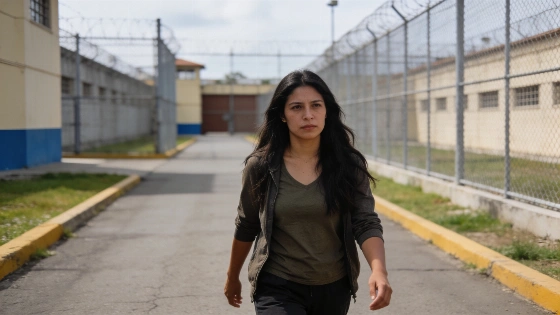
Shortly before her transfer, Barrera Rojas posted a video on Instagram showing herself walking alone on the facility grounds. In her message, she described the day as emotionally heavy and called for strength to endure the situation, expressing hope that the truth would ultimately prevail. The post was deleted within hours, but not before it attracted thousands of reactions and messages of support from her followers.
The government’s decision to relocate Barrera Rojas removes her from the relative comfort and security of a military detention setting. She will now serve the remainder of her sentence under standard prison conditions at La Picaleña, a facility known for its stricter regime. This change has intensified public debate over the treatment of high-profile detainees and the balance between security and equal application of the law.
Barrera Rojas’s case is not the only recent example of legal and political tension surrounding prominent figures. In a related context, Spanish authorities have faced international scrutiny over extradition requests, such as the situation involving a US activist detained in Ibiza, which highlighted the complexities of high-profile detentions and political influence. For more on this, see the coverage of the extradition case of Fergie Chambers in Ibiza.
Throughout her incarceration, Barrera Rojas has remained active on social media and continued to manage her haircare business remotely. Her ongoing public presence has kept her case in the spotlight, fueling discussions about the intersection of justice, celebrity, and digital influence in Colombia. The outcome of her transfer may set a precedent for how similar cases are handled in the future, especially as authorities seek to address perceived inequalities in the prison system.
La Picaleña prison, located in Ibagué, is one of Colombia’s largest correctional facilities and is known for its high-security protocols. The move underscores the government’s intent to standardize detention conditions, particularly for inmates with significant public profiles. As the situation develops, attention remains focused on both the legal process and the broader implications for Colombia’s justice system.