From February 2027, EU law will require that most portable device batteries can be replaced by users without special tools. Smartphones face even stricter standards, including durability and repairability, with the aim of extending device lifespans and reducing electronic waste.
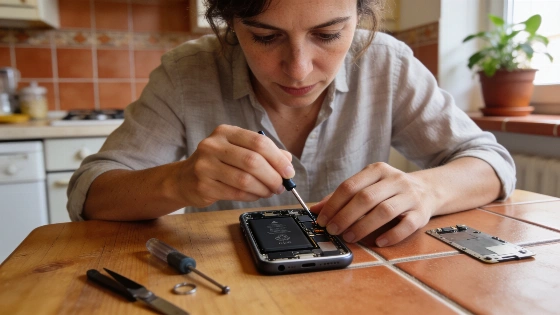
Starting 18 February 2027, a sweeping change will hit the European mobile market: under Article 11 of Regulation (EU) 2023/1542, manufacturers must ensure that batteries in most portable devices can be removed and replaced by users using only commercially available tools. This move is set to disrupt the way smartphones and other electronics are designed, sold, and maintained across the EU.
For consumers, the new rules mean that buying a phone with a sealed, non-replaceable battery will soon be a thing of the past. The regulation specifically bans the use of proprietary tools, heat sources, or solvents for battery replacement, unless such tools are provided free with the product. Manufacturers must also supply clear instructions and safety information to guide users through the process. Importantly, the law protects the right to use compatible replacement batteries without compromising device safety or performance, and requires spare parts to be available for at least five years after a model leaves the market.
Smartphones Face Stricter Standards
While the general rule applies from 2027, smartphones sold in the EU will already be subject to even tougher requirements from 20 June 2025, under the Ecodesign Regulation 2023/1670. This regulation demands that phone batteries retain at least 80% of their original capacity after 800 charge cycles. It also obliges manufacturers to provide access to key spare parts and repair information for several years, and to support operating system updates for at least five years after the last unit is sold.
Not all phones will have a battery that pops out with a fingernail, however. The ecodesign rules allow two approaches: either the battery can be swapped by any user with basic tools, or—if technical skills are needed—the battery must meet even higher durability standards, such as retaining 83% capacity after 500 cycles and 80% after 1,000 cycles, and the device must offer enhanced protection against dust and water.
No Return to Old Removable Covers
The new regulations do not force manufacturers to bring back the classic removable back covers of early mobile phones. Instead, the focus is on making the replacement process accessible and safe, regardless of whether the battery sits behind a sealed case. The rules also address serialized parts and access to essential software tools, aiming to prevent manufacturers from blocking repairs through software locks. This approach is designed to extend device lifespans and reduce the need for new production, aligning with broader EU goals on electronic waste and sustainability.
These changes echo other EU initiatives to standardize and improve consumer electronics, such as the push for universal USB-C charging ports. As noted in a related analysis on how new EU rules are affecting Spanish retailers, regulatory shifts can have far-reaching impacts on both industry and consumers.
Economic Impact and Ongoing Adjustments
The European Commission estimates that the combined effect of new ecodesign and energy labeling measures for smartphones and tablets could save EU consumers €20 billion in acquisition costs by 2030. This figure includes energy savings and factors in higher repair costs, resulting in a projected net saving of €19.8 billion—about €98 per household and a 22% reduction in spending. However, this saving is not solely due to the battery replacement rule, but reflects a broader package of measures aimed at making devices last longer and reducing waste.
As of August 2026, the regulatory framework is still evolving. The Commission recently adopted a delegated act expanding certain safety-related exceptions to the user-replacement rule, with the objection period set to end in October 2026. This ongoing process means not every device will have identical battery replacement systems, but the direction is clear: the era of disposable, sealed-in batteries is ending in Europe.