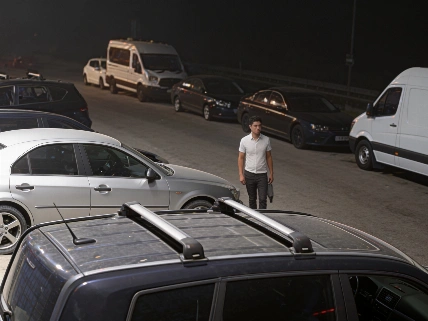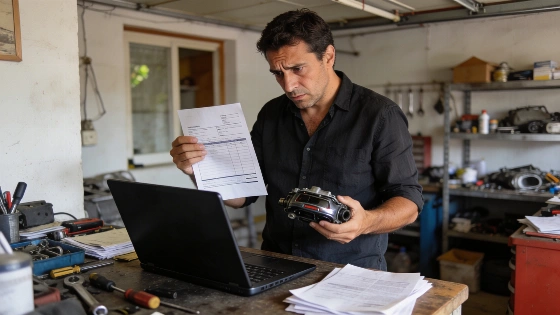
A surge of fraudulent sellers posing as legitimate scrap yards is hitting Wallapop users. Buyers pay for car parts that never arrive while real businesses face reputational fallout and demand tighter controls from the platform.
Buyers are losing money, car parts never show up, and real businesses are left to deal with the fallout. This is the current situation on Wallapop, where a wave of fake scrap yard scams is shaking confidence in Spain’s second-hand auto parts market.
Scammers have become more sophisticated. They target popular car parts, list them at unusually low prices, and use the names and details of real Centros Autorizados de Tratamiento (CAT)—the official auto dismantlers known as "desguaces." With stolen photos and business information, these fake sellers look just like the real thing. When someone tries to buy, the scammer sends an invoice with the real CAT’s credentials and asks for a bank transfer. The money goes to the fraudster, and the part never arrives.
More than 100 authorized auto dismantling centers in Spain have filed an official complaint to Wallapop, demanding stricter controls after a surge in scams where fraudsters impersonate real scrap yards.
The problem isn’t limited to classified ads. Some scammers copy entire websites of established desguaces, including logos, layouts, and contact details, to create convincing fake storefronts. Buyers pay for parts through these sites, only to find out later that the real business was never involved. For legitimate companies, this means lost trust and a damaged reputation they did nothing to cause.
Spain’s Association of Auto Dismantlers and Recyclers (AEDRA), which represents over 600 desguaces, is pushing for change. The group has given Wallapop five specific proposals to fight fraud. They want professional or frequent car part sellers to verify their accounts, require CIF, contact details, and CAT authorization numbers, and create a dedicated category for parts from authorized CATs. They also call for quick removal of fake ads and profiles, and a reporting channel for suspected scams with supporting evidence.
AEDRA is not asking Wallapop to ban used car parts. Instead, its president Germán Catoira wants clear identification of professional sellers and better controls to separate real CATs from fakes. The goal is transparency and traceability, not a ban.
According to reports from Marca and other Spanish media, scammers have been known to create fake websites that perfectly mimic legitimate desguaces, even purchasing Wallapop accounts with good reputations to increase credibility. This tactic is not unique to the auto parts sector and has been observed in other online fraud cases across Spain.
For buyers, the key moment is the bank transfer. AEDRA advises checking that the seller is a real CAT, being cautious with prices that seem too low, and contacting the business directly using the details on the invoice or ad before sending money. If scams continue or controls stay weak, AEDRA says it will take the issue to authorities for investigation and possible legal action.
This rise in online scams is part of a wider problem in Spain’s used car market, where gaps in regulation have left buyers at risk before, as seen in the odometer fraud cases in the Canary Islands.
According to Google/SpainAuto, Wallapop is now under pressure to act. How the platform responds will decide whether trust can be rebuilt for buyers and honest businesses. In this market, reputation matters. Without real verification and fast action, online marketplaces risk turning into a haven for scammers, hurting both legitimate sellers and everyday buyers.