101 Years Without Medicine: How Former Forester Amador Lopez Lives in Galicia. Amador Lopez celebrated his 101st birthday surrounded by family and his poultry. He does not take any medication, remains active, and stays true to habits connected with nature and a simple life. This is a story about how it is possible to live for a century without losing touch with oneself and the world around.
In the Galician village of Magazos, near Viveiro, Amador López’s 101st birthday passed quietly, but with special significance. A former forest service agent, he marked another year of life at the table with his daughter Marisol and close relatives, choosing his favorite scallop empanada, tender solomillo with potatoes, and a bit of dessert for the festive meal. There is no medicine cabinet in his home—only a pacemaker reminds him of his age.
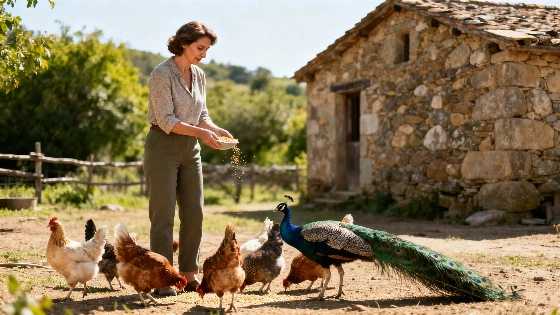
Every day, Amador goes out into the yard to visit his three chickens and a peacock, as well as to walk around his plot. He can no longer bend down, but he keeps pulling weeds with the help of his cane. After the painful loss of his son this year, his daughter says, it was difficult for him to return to his usual routine, but family support and daily habits helped him recover.
Habits and daily life
Amador’s diet is simple: vegetables, eggs, fish, a little meat—everything adapted to his age and health. He never smoked and hardly drinks alcohol, only allowing himself an occasional glass of wine. Big family gatherings are rare, but this time 15 people came together for a warm, intimate celebration at the Las Sirenas restaurant.
The path of a forester
For decades, Amador López worked as a forest service agent, sending daily weather data to government agencies. He was among the initiators who helped create a recreational area on Mount San Roque—today one of the best-maintained nature spots in the region. Over the years, dozens of people worked under his supervision, and he would often emphasize: “The forest gives you health, it restores strength.”
What can be learned
Amador's story is not a recipe for longevity, but his lifestyle offers several guidelines: daily activity, simple and adaptable food, strong family ties, absence of bad habits, and constant contact with nature. This approach does not guarantee a century of life, but clearly contributes to its quality.
In Spain, increasing attention is being paid to how elderly people maintain their independence and stay active. For example, the experience of retirees who have chosen to live in motorhomes shows that age is not always a barrier to change: elderly couples from Mallorca share how they swapped an apartment for a motorhome.
Judging by the example of Amador López, a long life is not made up of miracles, but of simple decisions that a person makes every day—in favor of themselves, their family, and the world around them.