A French tourist died after a rental boat struck his jet ski in Roses. The incident has accelerated new licensing rules for small rental vessels. Authorities are tightening controls to address rising maritime accidents.
A deadly accident in the bay of Roses (Alt Empordà) has reignited debate over the safety of rental boats on the Catalan coast. On Wednesday afternoon, a French man, 54, was killed when a semi-rigid rental boat carrying around ten people collided at high speed with his jet ski near the Santa Margarida area. The boat fled the scene, leaving the victim’s two sons and one of their girlfriends unharmed but in shock. Emergency services responded quickly, but the man could not be saved.
This is the second fatal maritime incident in Roses this summer, intensifying scrutiny of unlicensed boat rentals. For years, maritime professionals, police, and environmental groups have warned about the risks of allowing people to operate boats without proper training or certification. Until now, boats up to 5 meters in length and 15 horsepower could be rented without a license, a loophole that has led to numerous accidents and infractions, especially in protected natural areas.
Following the latest tragedy, authorities have moved to close this gap. Starting October 1, the new Royal Decree 1188/2025 will require a navigation license for all rental boats, including those previously exempt. The regulation aims to reduce incidents by ensuring that all operators have at least basic maritime training. According to the Subinspector of the Mossos d'Esquadra’s Underwater Unit, Jordi Marín, the lack of knowledge and experience among many renters has contributed to a rise in accidents and emergency interventions. He notes that while the new rules are a step forward, they will not eliminate all risks, as even licensed operators sometimes lack up-to-date skills or fail to maintain their vessels properly.
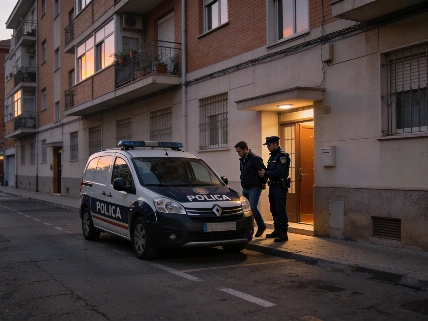
After the collision, witnesses alerted the jet ski rental company, which in turn contacted the boat rental firm. The boat’s skipper, a 52-year-old French national, attempted to return the vessel but was detained by police, who had already been notified. The Guardia Civil’s Judicial Police took over the investigation, requesting drug and alcohol tests from the skipper—who only agreed to the drug test. He was arrested on suspicion of reckless homicide, failure to assist, and disobedience for refusing the breathalyzer. He remains in custody in Girona and is expected to appear before a judge in Figueres on Friday.
Maritime safety has become a growing concern in Catalonia, where there are about 33,000 mooring points and nearly half are located along the Costa Brava. Between 2000 and 2023, Girona province registered 13,572 boats, and 72 out of 130 rental companies offered vessels that did not require any license. The risks are not limited to collisions: authorities have reported cases of boats capsizing during group photos, or speeding dangerously close to diver flags. Maritime Rescue teams have also had to assist renters stranded at sea, unable to restart their engines.
In Barcelona alone, 3,259 jet skis are registered, making it the third highest among Spain’s 30 maritime captaincies. Palamós and Tarragona also rank high. The new licensing requirement is expected to impact both tourists and local businesses, as it will now be mandatory for anyone renting a small motorboat to demonstrate basic competence. This shift comes amid broader debates about maritime safety and regulation, as highlighted in recent coverage of Spain’s evolving approach to coastal management, such as the government’s controversial plans for maritime barriers in Ceuta and Melilla, discussed in this related report.
Spain’s coastline is a major draw for both domestic and international tourists, with the Costa Brava being one of the most popular destinations. The tightening of rental regulations reflects a broader trend toward prioritizing safety and environmental protection in high-traffic maritime zones. While the new rules may pose challenges for some rental operators, authorities argue that the changes are necessary to prevent further tragedies and ensure responsible enjoyment of the sea.