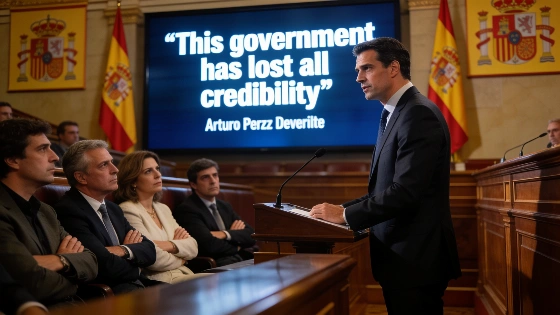
Emiliano García-Page openly confronted Pedro Sánchez at the PSOE federal committee. He criticized the lack of self-criticism and raised concerns about public perception of corruption. The call for early elections intensified party debate.
Sharp criticism erupted inside the PSOE federal committee this Saturday as Emiliano García-Page, president of Castilla-La Mancha, directly confronted Prime Minister and party leader Pedro Sánchez. According to audio recordings obtained by EL PAÍS, García-Page accused the party leadership of failing to address public concerns about corruption and insisted that the PSOE must prioritize the country's interests over internal politics.
Arriving at the party headquarters on Madrid’s Ferraz street, García-Page described the current period as the “worst moment in recent history” for the PSOE. He argued that the Spanish public is now focused solely on when the next elections will be called, and pressed for an early vote. He emphasized that the party’s future should not be compromised by the actions of its current leaders, urging colleagues to act transparently and responsibly.
Inside the closed-door session, García-Page continued his pointed remarks, stating that genuine self-criticism has been lacking for years. He warned that the situation has deteriorated over the past year, and highlighted that, while he does not blame anyone but the corrupt individuals themselves, the public increasingly holds the party responsible for either failing to prevent corruption or being complicit in it. He called for the PSOE to take legal action against Leire Díez, referencing his earlier proposal from October last year to file a lawsuit against the former party member.
The debate within the PSOE comes at a time of heightened scrutiny over political accountability in Spain. García-Page’s intervention reflects growing internal pressure on Sánchez’s leadership, especially regarding the party’s handling of corruption allegations. The call for early elections and demands for a more transparent approach have intensified internal divisions, with García-Page positioning himself as one of the most vocal critics within the party.
These developments echo broader concerns about political influence and public trust in Spain, as seen in other recent cases where government decisions have come under scrutiny. For example, the controversy surrounding the state bailout for Tubos Reunidos, which followed political lobbying and internal negotiations, highlighted similar tensions over transparency and accountability. More details on that case can be found in this analysis of how political pressure shaped a major state rescue decision.
For context, the PSOE (Spanish Socialist Workers' Party) is one of Spain’s two main political parties and has faced several high-profile corruption scandals in recent decades. The federal committee is the party’s highest decision-making body between congresses, and its debates often signal shifts in party strategy or leadership. Calls for early elections can have significant implications for Spain’s political landscape, potentially affecting government stability and policy direction. The current tensions within the PSOE underscore the challenges facing the party as it seeks to maintain public confidence amid ongoing scrutiny.