Spain’s government and PP both call for urgent repatriation of unaccompanied minors in Ceuta. Administrative hurdles and lack of resources slow the process. The issue remains tense after past legal violations.
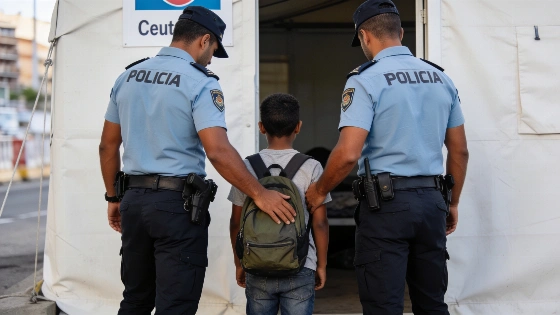
The Spanish government and Partido Popular (PP) have found rare common ground over the ongoing crisis in Ceuta, focusing on the urgent need to repatriate unaccompanied minors to Morocco. With police counting 1,527 foreign minors still present in the city nearly two weeks after a mass border crossing, both parties now identify family reunification as the top priority. However, the process is hampered by complex administrative requirements and insufficient staffing, raising concerns about delays and legal compliance.
Officials from both sides have publicly stated that returning these children and teenagers to their families in Morocco is essential. The government, represented by ministers Félix Bolaños and Ángel Víctor Torres, has emphasized that the process must be handled in coordination with Moroccan authorities and the minors’ families. Despite this, PP leaders continue to press the government for action, sometimes overlooking that Madrid is already pursuing this route. Criticism has also been directed at the Ministry of Youth and Children, although Minister Sira Rego recently visited Ceuta and confirmed that family reunification remains the government’s main objective.
Repatriation is not straightforward. Each case requires an individualized assessment, including interviews with the minors to determine their wishes and circumstances. Legal procedures demand that all minors are heard, with special attention to their maturity and opinions, especially from age 12. The process also involves the Fiscalía (prosecutor’s office), legal assistance, and coordination with the Delegation of Government in Ceuta, which ultimately decides on each case. For those who remain in Spain, the Ministry of Youth and Children is expediting transfers to the mainland and Balearic Islands, a move opposed by PP and Vox.
Diplomatic steps are also necessary. The Ministry of Foreign Affairs must liaise with Morocco under a bilateral agreement on child protection and cooperation. Authorities must ensure that returning a minor does not expose them to poverty, abuse, or undignified conditions. If a child claims such risks, their testimony is considered by the Fiscalía. Only when all guarantees are met does the Ministry of Interior oversee the actual transfer.
Past failures have heightened scrutiny. In 2021, 55 minors were returned to Morocco immediately, bypassing legal safeguards. This led to convictions for administrative misconduct against Ceuta’s then-delegate and vice president, as the court found the process arbitrary and unjust. The ruling highlighted that, even in crisis, legal procedures must be followed to protect minors’ interests.
PP and Vox have repeatedly promised to repatriate minors in their regional coalition agreements, but the authority to do so rests solely with the national government. Regional pledges are therefore largely symbolic. The president of Ceuta, Juan Jesús Vivas, has called for more administrative resources to speed up the process, warning that without reinforcement, procedures could drag on.
Legal experts stress that these safeguards are not obstacles but essential rights. Each minor’s situation must be carefully evaluated, especially as some may be eligible for international protection due to conflict or persecution in their home countries. Failure to conduct thorough assessments risks violating their rights and international obligations.
According to official data, Spain has faced repeated challenges managing arrivals of unaccompanied minors, particularly in border regions like Ceuta and Melilla. The country is bound by international conventions and EU directives to ensure the best interests of the child are respected in all proceedings. The current situation underscores the tension between humanitarian obligations, administrative capacity, and political pressure. As the government convenes meetings with regional authorities to address the crisis, the outcome will likely shape future policy on migration and child protection at Spain’s borders.