A Barcelona woman, 68, says her heart transplant not only saved her life but changed her outlook. Four years after surgery, she reports feeling healthier than decades ago. The case highlights Spain’s organ donation system.
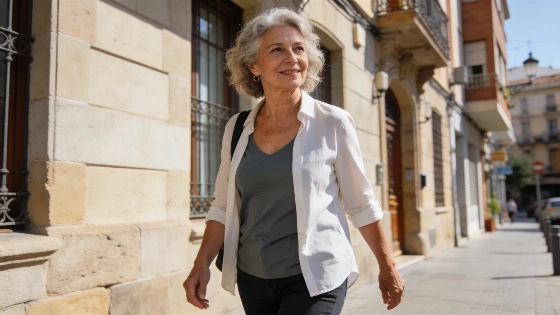
Four years after a high-risk heart transplant at Hospital Clínic de Barcelona, 68-year-old Concepción Barredo says her health and perspective have transformed. The operation, performed in the spring of 2022, replaced her failing heart with a donor organ, marking a turning point after years of deteriorating health due to hypertrophic obstructive cardiomyopathy. According to Barredo, she now feels stronger than she did two decades ago, crediting the transplant with giving her a new lease on life.
Barredo recalls the rapid decline that led to her surgery. Her condition, which thickened her heart muscle and impaired blood flow, left her exhausted by even simple tasks. The call from the hospital came just 15 days after she was placed on the transplant list, catching her off guard. The urgency of the situation was matched by the generosity of a donor family, whose decision made the operation possible. Cardiologist Marta Farrero from Hospital Clínic emphasizes that such transplants depend on both medical teamwork and public willingness to donate organs. In 2025, Spain performed over 6,300 transplants, supported by more than 2,500 deceased donors and hundreds of living donors.
The surgery itself was complex and time-sensitive. Two medical teams worked in parallel to extract and implant the new heart, with the critical phase being the period the organ remained without blood supply. Chief cardiovascular surgeon Manuel Castellà notes that the risk is highest during this window, which ideally should not exceed four hours. Barredo’s operation pushed this limit but ultimately succeeded, though her recovery was far from immediate.
After the procedure, Barredo faced months of rehabilitation. Adjusting to immunosuppressive medication proved challenging, and she had to relearn basic skills such as eating and writing. Complications included an episode of organ rejection and a severe bacterial infection, both requiring extended hospital stays. Farrero explains that the first year after a transplant is the most precarious, as doctors tailor medication to minimize rejection and infection risks. Once stabilized, most patients adapt well, though ongoing monitoring remains essential.
Today, Barredo maintains a disciplined routine: regular check-ups, daily walks, and a careful diet with no alcohol. She describes a profound shift in her outlook, saying she has become more sensitive and appreciative of life’s essentials. Friends and neighbors in Rubí, near Barcelona, often remark on her renewed energy and appearance. The average lifespan of a transplanted heart is 10 to 12 years, but Barredo prefers not to dwell on statistics, focusing instead on her improved quality of life.
Spain’s organ donation system is widely regarded as one of the most effective in the world, with high participation rates and coordinated hospital networks. The country’s approach has been cited as a model for other nations seeking to improve transplant outcomes. The story of Barredo’s recovery echoes broader challenges faced by transplant patients, including the need for lifelong medical oversight and the emotional impact of such life-altering procedures. Similar themes of resilience and medical complexity have appeared in other recent health stories, such as the case of a Milan football legend’s battle with lung disease, detailed in this report on a high-profile transplant and recovery.
For many in Spain, Barredo’s experience underscores both the advances in cardiac surgery and the ongoing importance of organ donation. Her case highlights the delicate balance between medical innovation, patient determination, and the generosity of donors that makes such recoveries possible.