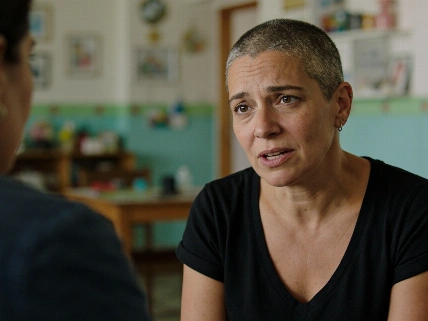
Natalia Forès, an architect from Reus, transformed her lack of investment experience into a thriving portfolio of 20 rental properties across France and the UK. Her latest project—a building of eight apartments—aims for an 11.5% yield and €3,600 in monthly income.
Natalia Forès never planned to become a property investor. Trained as an architect and raised in Reus, she found herself in Paris facing the reality that even a modest home was out of reach. The high prices forced her to reconsider her options, and instead of settling for a cramped studio, she decided to learn how the real estate market really worked.
Forès began her investment journey not in Spain, but in the United Kingdom. She established a limited company and purchased her first two properties in Scotland, targeting areas outside city centers. Her strategy focused on renting to tenants who received public assistance, which often meant that rent payments were guaranteed by the state, local authorities, or charities. This approach provided a level of stability that appealed to her as a newcomer to the sector.
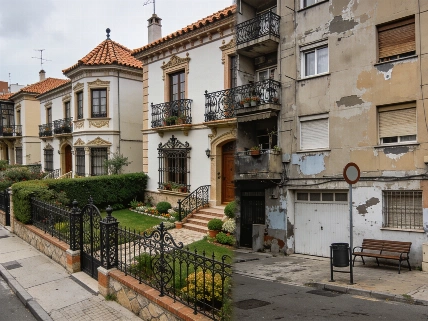
As her confidence grew, Forès expanded her portfolio. She acquired a property near Nottingham, which she converted into a multi-room rental, and later transformed another house into three separate apartments. Eventually, she brought her expertise to France, applying her architectural eye to maximize the appeal and functionality of each property.
Forès believes that one of the most common mistakes in property investment is choosing a home based on personal taste rather than the needs of future tenants. She prioritizes natural light, smart layouts, and quality renovations, arguing that a well-designed space not only attracts renters but also improves their experience. Her approach is pragmatic: adapt each property to its target market, rather than imagining living there herself.
Scaling Up
Her latest venture marks a new milestone. Forès is preparing to add an entire building of eight compact apartments and studios to her portfolio. She estimates that the project could generate €3,600 in monthly rental income, with a projected yield of 11.5%. Once renovations are complete, she expects the market could support even higher rents.
Financing has evolved along with her ambitions. In her early French investments, Forès contributed around €20,000 of her own funds in addition to bank loans for purchase and renovation. Over time, she managed to reduce her upfront capital to zero in some deals, relying entirely on external financing. She typically budgets between €1,000 and €1,500 per square meter for renovations, balancing cost with the need for quality finishes.
Women in Alternative Investment
Forès's story reflects a broader shift in Spain, where property remains the cornerstone of household wealth. According to the Bank of Spain's 2024 Family Financial Survey, real estate accounts for 68.5% of total assets. Meanwhile, women are increasingly active in alternative investments: SegoFinance reports that women now make up about 43% of its 45,000-strong investor community.
Context and Trends
Forès's methodical, design-driven approach stands out in a market where many investors still rely on intuition or tradition. Her focus on adapting properties to tenant needs and leveraging public sector stability has allowed her to scale quickly, even across borders. The trend toward modular and efficient construction is also gaining ground, as seen in recent innovations like the German wood block system that promises to assemble homes in just a week—a development detailed in this report on rapid timber construction.
Forès's trajectory suggests that with the right mix of professional insight, strategic risk-taking, and adaptability, it is possible to build a substantial property portfolio—even without prior investment experience. Her story may encourage others to look beyond traditional paths and consider how expertise from other fields can unlock new opportunities in real estate.