Four Plants That Effectively Repel Cockroaches at Home. Cockroaches in the house aren't just unpleasant—they're a health risk. As it turns out, some common plants can serve as a real barrier for these pests. We explain how to use them properly and why you shouldn’t expect miracles.
Cockroaches in the apartment are a problem many have faced. Even noticing a single one can make you reconsider the cleanliness and safety of your kitchen. Aside from being unpleasant, these insects can transmit infections and cause allergies, making their appearance not just a domestic, but also a sanitary threat.
Many people avoid using chemical insecticides to protect themselves and their loved ones. As Talent24h notes, a natural alternative could be common aromatic plants, which can repel cockroaches thanks to their essential oils. But it's important to understand: plants are not magic, but rather part of a comprehensive prevention strategy.
Which plants are effective
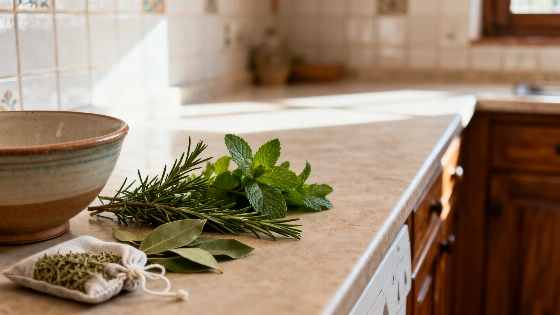
One of the most effective is rosemary (Rosmarinus officinalis). Both fresh and dried sprigs are placed in vulnerable spots: along baseboards, by entry doors, in pantries, and in the kitchen. This method has been confirmed by research at Texas A&M University.
Mint (Mentha spp.) and catnip (Nepeta cataria) have also proven effective. According to the universities of Iowa and Auburn, their scent can quickly drive away cockroaches, especially if the leaves are placed in cabinets, behind appliances, and in dark corners.
Bay leaf (Laurus nobilis) is another natural barrier. It is recommended for use in food areas and enclosed spaces, especially if the leaves are crushed beforehand to intensify the aroma. This approach is supported by experts from CONICET and the University of Nebraska–Lincoln.
How the aroma works
The main effect is achieved thanks to the essential oils released by these plants. For cockroaches, their scent serves as a warning signal, and they try to avoid treated areas. Rosemary can be grown in pots by windows and on balconies, as well as using cut branches inside the house.
Mint and catnip affect insect behavior: cockroaches change their usual routes and leave treated areas. Bay leaf, especially when dried, maintains its repellent effect for several weeks, while fresh leaves provide a stronger but shorter-lasting result.
Limitations and risks
Keep in mind: natural remedies do not destroy large colonies. Their role is prevention and reducing the risk of new infestations. For a lasting effect, it is important to regularly replace branches and leaves; otherwise, the scent fades quickly.
It is not recommended to combine plants with commercial baits: a strong aroma can repel cockroaches from poisonous baits, making pest control less effective. Also, do not place fresh leaves near food or dishes—this is a matter of safety.
How to use in practice
To be effective, the plants should be placed where cockroaches most often appear: along baseboards, by entrances, in pantries, behind appliances, on shelves, and in dark corners. For catnip, fabric sachets with crushed leaves are convenient. Bay leaf should preferably be broken or crushed first.
It is recommended to renew the plant material every 2–3 weeks. To enhance the effect, you can also place rosemary or mint in pots by the windows and on the balcony. But the main thing is to maintain cleanliness: promptly remove crumbs and debris, and seal up any gaps and cracks.
Using plants is not a cure-all, but part of an integrated approach. They help reduce the risk of cockroach infestations but do not replace regular cleaning and preventive measures. This approach helps minimize the use of chemicals in the home and makes pest control safer for the family.