Drivers in Tenerife Face Mass Alcohol and Drug Checks. The Civil Guard has stepped up road checks across the Canary Islands. Drivers are being routinely tested for alcohol and drugs. Over the past year, more than 214,000 individuals have been fined.
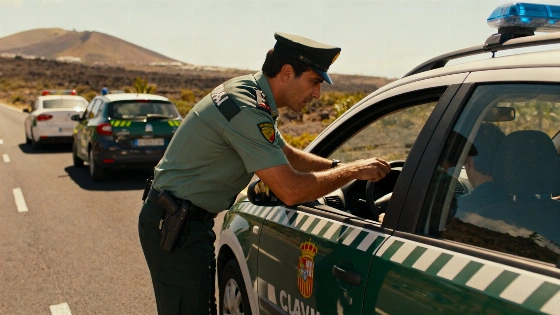
The Civil Guard has increased checks on the roads of Tenerife and other Canary Islands. Authorities are reporting a rise in long-distance trips during weekends and holidays, when millions of drivers travel across the country. During these periods, controls become especially strict: inspectors stop vehicles, check documents, and conduct express tests for alcohol and drugs.
According to official data, 214,825 drivers were fined on the Canary Islands in 2024 alone for various traffic violations. Of these, 6,231 people were caught exceeding the legal blood alcohol limit. By comparison, in 2023 there were 6,698 such cases—representing a drop of nearly 7%. Despite this, alcohol is still involved in 12% of all traffic accidents, and in those with fatalities, this figure reaches 28%—that is, 273 cases over the year.
The Civil Guard reminds drivers: during holidays such as the May holidays, responsibility behind the wheel becomes critically important. Drivers are advised not to drive after consuming alcohol or drugs to prevent tragedies and avoid ruining their own rest and that of others. On these days, the number of checks increases and patrols work in reinforced mode.
Penalties for driving under the influence remain among the strictest in Spain. For novice and professional drivers, the maximum permitted blood alcohol content is 0.15 mg/l in exhaled air, and for all others — 0.25 mg/l. Exceeding 0.60 mg/l is already considered a criminal offense. The presence of any drugs in the body also leads to penalties. Fines range from 500 to 1,000 euros, and a driver can lose from 4 to 6 points in the points-based license system.
Authorities emphasize: the main aim is not only to punish offenders but also to reduce the number of road accidents. According to the DGT, most serious traffic accidents are linked to violations of basic safety rules. Drivers are reminded that their decisions behind the wheel directly affect the lives and health of other road users.
In recent years, Spain has tightened measures for transport and environmental control. For example, in Málaga, the authorities maintained the low-emission zone despite a court decision, sparking debate among drivers and environmentalists. More details about the situation in Málaga can be found in the article about the dispute over environmental restrictions for transport.
For reference: Spain was one of the first EU countries to implement a points-based system for drivers. For serious offenses, such as drunk driving, points are automatically deducted. If all points are lost, the driver’s license is revoked, and to restore it, the driver must complete special training and pass an exam. According to authorities, these measures help gradually reduce road accidents in the country.