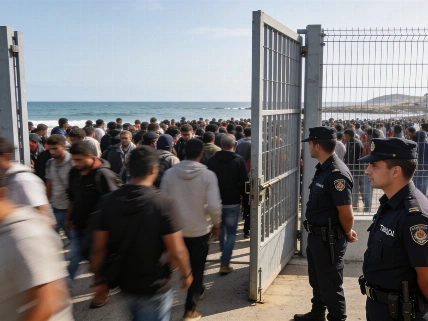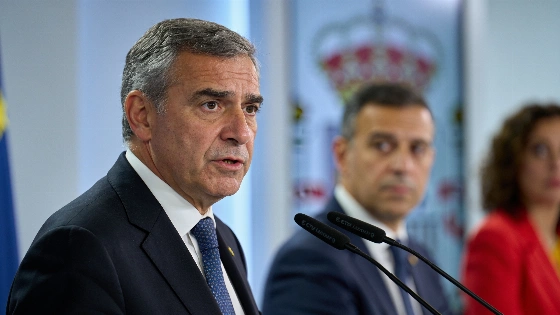
Fernando Grande-Marlaska denies that the CNI warned of a mass migrant entry in Ceuta. His statement directly challenges Margarita Robles. The government faces renewed scrutiny over its crisis response.
Spain’s Interior Minister, Fernando Grande-Marlaska, has publicly rejected claims that the Centro Nacional de Inteligencia (CNI) provided advance warning about a potential mass entry of migrants into Ceuta. This position directly contradicts Defence Minister Margarita Robles, who earlier told Congress that the intelligence service had shared relevant information with the government.
Speaking after the Council of Ministers, Grande-Marlaska insisted that no CNI report anticipated the events of July 30, when a significant influx of migrants crossed into the Spanish enclave. He emphasized that neither Spanish intelligence nor allied foreign agencies detected any signs of an imminent incident. According to Marlaska, all security and intelligence services acted appropriately and within their responsibilities.
In contrast, Robles maintained during her appearance before the Defence Commission that the 25 CNI agents stationed in Ceuta had gathered and shared intelligence with both the State Security Forces and the Government Delegation. She argued that the CNI fulfilled its duties and that information was properly analyzed and distributed among relevant authorities.
The disagreement between the two ministers has intensified scrutiny of the government’s handling of the Ceuta border situation. The debate over whether sufficient intelligence was available and properly communicated has become a focal point in the ongoing political discussion. This dispute follows earlier tensions, as highlighted when Defence Minister Robles addressed Congress on the military’s role during the migration crisis and reaffirmed Ceuta’s Spanish status—an episode covered in detail in recent reporting on government responses to the Ceuta crisis.
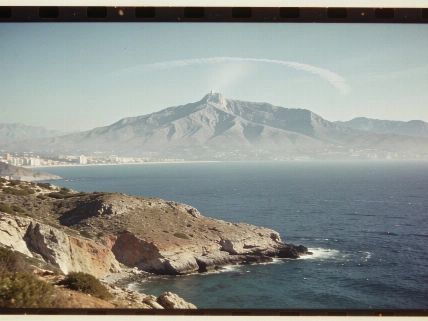
Ceuta, a Spanish autonomous city on the North African coast, has repeatedly faced sudden surges of migrants attempting to cross its border. The enclave’s unique position makes it a frequent flashpoint for migration-related tensions between Spain and neighboring Morocco. The CNI, as Spain’s national intelligence agency, is tasked with monitoring and reporting on potential security threats, including irregular migration flows. Disagreements at the ministerial level over intelligence handling can have significant implications for coordination between security forces and the government, especially in high-pressure situations involving border management. The current debate underscores the challenges Spain faces in balancing security, humanitarian obligations, and interdepartmental cooperation during migration crises.