The PSOE faces its most turbulent federal committee in years. Judicial scandals, leadership disputes and regional opposition to funding reforms put Pedro Sánchez under pressure. Key decisions on candidates and party unity are at stake.
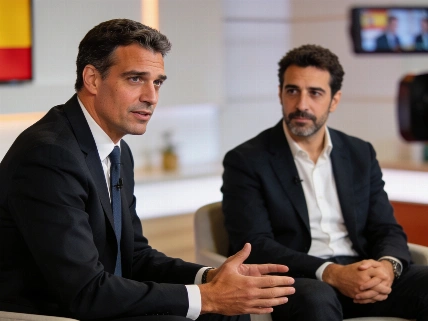
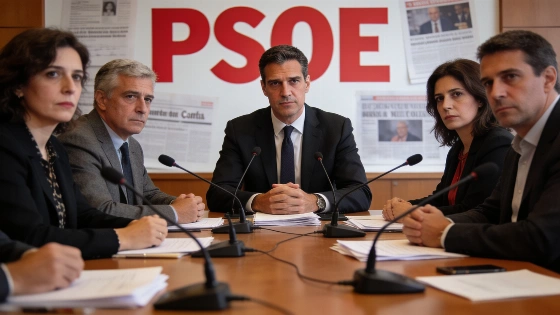
The PSOE’s federal committee convened in Madrid amid unprecedented internal and judicial turbulence, with Pedro Sánchez confronting a party shaken by scandals and growing dissent. The meeting, the first in a year, comes as Sánchez’s leadership faces mounting isolation in Congress and renewed calls for early elections from coalition partners.
Central to the current crisis is the recent 24-year prison sentence handed to José Luis Ábalos, the former secretary of Organization, which has intensified scrutiny on the party’s handling of corruption cases. The fallout from Ábalos’s conviction, combined with the earlier imprisonment of Santos Cerdán and ongoing investigations involving Leire Díez, has left the PSOE leadership under pressure to demonstrate a tougher stance. Despite public demands from regional leaders and party officials, Ferraz has yet to decide on legal action against Díez, aiming to send a political message to counter reputational damage.
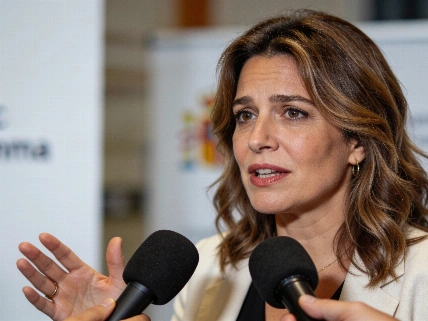
Adding to the turmoil, Enma López’s abrupt resignation from the federal executive after announcing her intention to run in the 2027 Madrid mayoral primaries has exposed deep divisions within the party. Ferraz’s sharp response, criticizing López for acting prematurely, has fueled internal confusion and signaled a loss of centralized control. Several regional leaders now predict a wave of independent candidacies across Spain, describing the situation as increasingly critical and unpredictable.
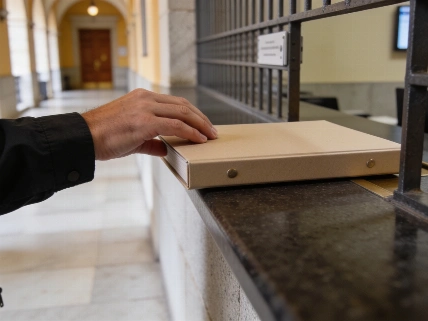
The committee is set to approve a new primary calendar for selecting regional and municipal candidates, introducing three flexible windows—July, September, and November—to accommodate local interests. However, the judicial front remains the dominant concern. The recent decision by Judge Juan Carlos Peinado to confiscate Begoña Gómez’s passport, suggesting the prime minister’s wife could flee with official escorts, has reinforced perceptions within the PSOE of a politically motivated judicial campaign. The party’s mood swung from frustration to indignation, only to be further shaken by Ábalos’s sentencing days later.
Meanwhile, the party awaits clarification from José Luis Rodríguez Zapatero regarding his jewelry collection, valued at €1.3 million. Some within the PSOE privately question the former prime minister’s ethics, though public criticism remains muted. Sánchez has left it to Zapatero to decide whether to hand over the jewels to the state, while the National Court has invited the Ministry of Finance to join the investigation.
Grassroots support for Sánchez remains visible, with a letter circulating among party members denouncing what they see as a coordinated campaign to bring down the government. The letter claims that since 2023, parts of the right have refused to accept election results and have used judicial, media, and political means to undermine the PSOE-led administration.
Regional opposition to the new funding model agreed with ERC has added another layer of conflict. Asturias and Castilla-La Mancha, both governed by socialist presidents, have rejected the proposal, arguing it disadvantages less wealthy regions. Only Catalonia, led by Salvador Illa, supports the reform. The Asturian finance minister criticized the plan for failing to address local needs, while Emiliano García-Page, the only PSOE regional leader with an absolute majority, condemned what he described as privileges negotiated with separatists and warned against trading away the principle of territorial equality.
For context, the PSOE’s federal committee is the party’s highest decision-making body between congresses and plays a crucial role in setting electoral strategy and resolving internal disputes. The current crisis comes as Spain approaches a new electoral cycle, with municipal and regional elections scheduled for May 2027. The outcome of this committee could shape the party’s direction and influence the broader political landscape in the coming months.