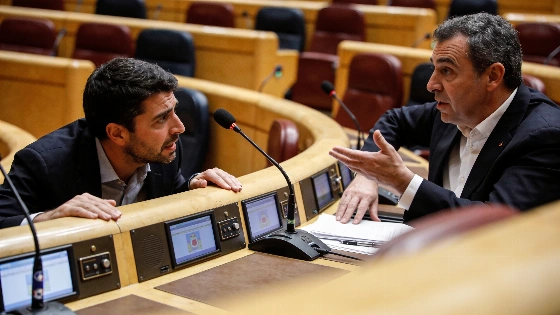
Junts has accused Pedro Sánchez of calling early elections to protect himself politically. Míriam Nogueras, the party’s spokesperson in Congress, said the prime minister used “the pain and suffering of many people for electoral interests.” She also accused him of calling early elections to “cover up his inability to govern, his failure in migration policies, and the corruption cases surrounding him.”
Junts is also under pressure. Its move to block the government’s housing decrees ended the current legislative period and thrust the party into the spotlight. On October 2, Spain’s Congress rejected two government housing decrees. Junts, PP, and Vox voted against measures that included protections for vulnerable tenants until 2030 and stricter rules for short-term rentals. Critics blame Junts for killing the new housing rules, but the party says it is standing up for small property owners and promises to protect them from unpaid rents and illegal occupations. Junts hopes the message will keep its base loyal.
The failure of the housing decrees fueled speculation about possible snap elections in Spain, Reuters and Politico Europe reported, even as Sánchez’s team insisted no final decision had been made. Analysts said the defeat increased pressure on the Socialist parliamentary majority and exposed growing tensions between Junts and PSOE.
The numbers are not on Junts’ side. A Sigma Dos poll published today suggests the party could lose three seats in the next general election, falling from seven to four. Aliança Catalana has already taken 25% of Junts’ vote in Catalonia, but will not run in the national race. Junts is feeling the squeeze.
ERC is in a better position. The same poll says it could gain a seat, reaching eight. Gabriel Rufián is likely to lead its ticket. Rufián tried to build a broader left-wing coalition, with Sumar, the Comunes, Más Madrid and Izquierda Unida involved, and perhaps Podemos too, but the plan failed. Still, ERC president Oriol Junqueras says his party is “prepared to defend Catalonia and fight to improve people’s lives.”
Salvador Illa, the top socialist in Catalonia, is backing Sánchez and supports the prime minister’s re-election. Catalonia is basic for the PSOE. The president of the Generalitat made his position clear: “It is time to decide between next or going back. Cataluña does not resign. Cataluña does not give up. Cataluña will be with Pedro.”
The PSC also faces trouble. EL MUNDO’s latest poll says the party could lose up to 11 seats, while a La Vanguardia survey from the weekend puts the loss at 12. That would leave Aliança Catalana tied with the socialists in the Catalan parliament, with 30 seats each. Alliances are shifting and margins are shrinking, leaving Catalan and Spanish politics on edge.
As reported earlier, Sánchez’s government is under pressure from every side. The right-wing bloc is gaining ground, while the left is scrambling to hold on. Early elections are a gamble that could change the balance of power in Madrid and Barcelona.
Junts’ attack on Sánchez points to a deeper crisis of trust in Spain’s leaders. Catalan voters are split, and the next election will test Sánchez’s ability to weather scandal and dissent, along with Junts’ ability to turn defiance into a comeback.