The Madrid regional government has withdrawn its high-profile 'concebido no nacido' bill. Legal inconsistencies forced the move, pushing any approval to September. The law would change administrative status for families from pregnancy.
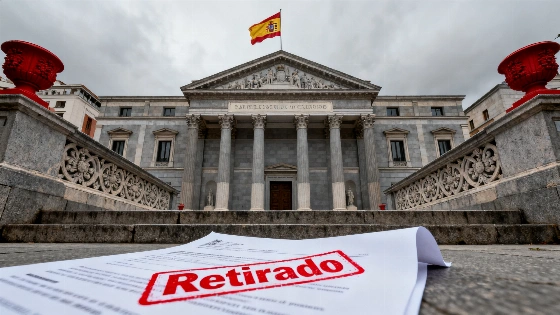
The Comunidad de Madrid has abruptly withdrawn the legislative process for the 'concebido no nacido' law, a key initiative championed by Isabel Díaz Ayuso and the conservative wing of the regional government. The decision, confirmed by parliamentary sources to EL PAÍS, comes after the region's legal advisors identified significant gaps and contradictions in the draft text. As a result, the law will not move forward as planned this week, and any further progress is now postponed until at least September.
This legislative setback comes just weeks after Ayuso publicly announced the bill with considerable fanfare, timing the announcement days before the visit of Pope León XIV. The proposed law aims to grant administrative recognition to unborn children from the moment a pregnancy is certified, effectively counting them as additional family members for bureaucratic purposes. The regional government argues that such measures are intended to provide women with alternatives before considering abortion.
Despite the delay, the Partido Popular holds a majority in the Madrid Assembly, making eventual approval of the law highly likely once the legal issues are resolved. The withdrawal highlights the importance of precise legal drafting in regional legislation, especially on socially sensitive topics. The legal department's intervention signals that the current version of the bill contained inconsistencies that could have led to administrative complications or legal challenges if passed in its original form.
According to EL PAÍS, the law's suspension was not anticipated, as the government had scheduled its processing for this Thursday. The move underscores the complexity of legislating on matters related to family status and reproductive rights, areas that often attract both political and public scrutiny in Spain. The delay also means that families and administrative bodies will not see any immediate changes to how pregnancies are recognized in official records.
For context, Spain's regional governments have some autonomy in family and social policy, but proposed laws must still meet strict legal standards. The 'concebido no nacido' initiative reflects ongoing debates in Spain over abortion, family support, and the role of regional authorities in shaping social policy. The postponement in Madrid may influence similar legislative efforts in other regions, as legal clarity and administrative feasibility remain central to the adoption of new family-related measures.