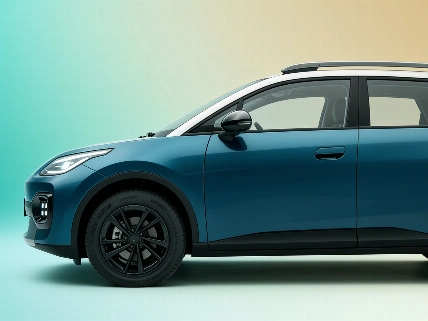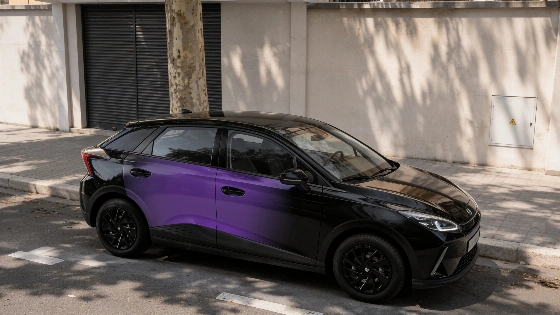
A Madrid-based MG4 electric car used for VTC services has surpassed 200,000 kilometers in three years, with its battery retaining 90% of its original capacity. The case challenges common fears about EV battery lifespan under heavy use.
After three years and 200,000 kilometers on Madrid’s streets, an MG4 electric car used for VTC services has demonstrated a level of battery durability that defies many drivers’ expectations. According to an official SOH (State of Health) analysis at an MG dealership, the vehicle’s 49 kWh battery still holds 90% of its original capacity—a result that stands out in the world of electric mobility.
This MG4 Standard, registered in June 2023, has been in constant service for Cabify, averaging around 6,000 kilometers per month. The demands of VTC work—long hours, frequent urban and intercity trips, and relentless daily mileage—typically accelerate wear and tear. Yet, this particular MG4 has managed to keep battery degradation to just 10%, a figure that directly addresses one of the main concerns for potential EV buyers: the fear of rapid battery decline.
With the right technology and usage patterns, electric vehicles can deliver both reliability and low running costs—even under the pressures of daily professional service.
With a 10% reduction in capacity, the car’s real-world range drops from its original 350 kilometers (WLTP) to an estimated 315 kilometers per charge. For a vehicle subjected to such intensive use, this performance is notable. MG credits the result to its battery technology, developed in partnership with SAIC Motor and CATL, the world’s largest automotive battery supplier. The car’s Integrated Thermal Management System also plays a key role, maintaining optimal battery temperature regardless of Madrid’s seasonal extremes.
Operating costs have proven equally compelling. The driver reports an average energy consumption of 12–13 kWh per 100 kilometers, rising to 14–15 kWh only during the harshest winter and summer days. Thanks to a dedicated home charger and a special EV electricity tariff, monthly charging costs hover around €50, even with the car covering 6,000 kilometers each month.
Maintenance has been minimal. Over 200,000 kilometers, the MG4 has only required scheduled annual servicing and tire replacements—front tires at 123,000 kilometers, rear tires at 130,000. Remarkably, the original brake discs and pads remain in use, a benefit of the regenerative braking system common to electric vehicles. This system reduces reliance on traditional brakes, often extending their lifespan well beyond that of combustion-engine cars.
The experience of this MG4 echoes findings from other electric models tested under real-world conditions. For example, a recent review of the Tesla Model 3’s performance in Spain highlighted similar strengths in battery management and cost efficiency, reinforcing the growing confidence in EVs for high-mileage professional use. (See how another electric model performed in Spanish conditions.)
While battery degradation remains a concern for many, the data from this Madrid MG4 suggests that, with the right technology and usage patterns, electric vehicles can deliver both reliability and low running costs—even under the pressures of daily professional service. As electric mobility continues to expand in Spain, such real-world cases may help shift perceptions and encourage broader adoption among drivers who depend on their vehicles for work.