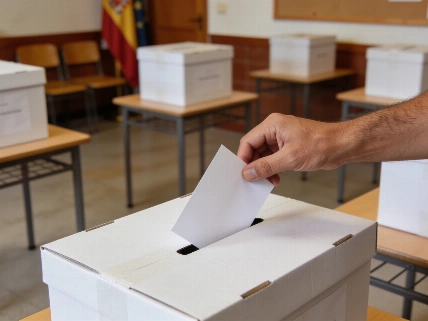
Madrid's overseas electoral census is expanding at twice the national rate, fueled by new Spanish citizens choosing the region under the Democratic Memory Law. This shift is reshaping the landscape of external voter participation and highlights Madrid's unique position in Spain's evolving migration dynamics.
Madrid is now at the center of a major change in Spain's overseas voting patterns. The number of people registered to vote from abroad with Madrid as their province is rising faster than anywhere else in the country—twice the national average. This isn't a statistical quirk. It's the result of many new Spanish citizens, most of whom are picking Madrid as their province after gaining nationality through the Democratic Memory Law.
The process is simple. Under the new law, people who become Spanish citizens can choose which province to register in. Many are choosing Madrid, likely because of its national significance and administrative role. This decision has a direct impact on the makeup and potential influence of Madrid's overseas voter list. According to EFE, Madrid's external electoral roll grew by more than 118,000 people, a 31.4% increase—one of the largest jumps among all Spanish provinces.
By July 1, 2026, the total number of overseas voters in Spain's CERA reached 2,736,522—an increase of 408,262 compared to the 2023 general elections.
While other regions have seen steady but moderate growth, Madrid's numbers have soared. The data shows that the new law hasn't just brought in more citizens—it has concentrated their registrations in one place. This is a clear example of how legal changes can quickly reshape the political map, even from afar. The Ministry of Foreign Affairs confirms that Law 20/2022 lets descendants of exiled Spaniards, children of Spanish women who lost citizenship by marrying foreigners, and adult children of new citizens apply for nationality under the expanded rules.
The effects go beyond the numbers. As more Spanish citizens abroad register with Madrid, the region's influence in overseas voting grows. This could affect future elections, especially in close races, as the external vote becomes more important. It also highlights how Spain's relationship with its diaspora is changing, with Madrid becoming the main point of reference for many new citizens looking for both identity and representation. Some media outlets note that the Supreme Court has suspended the electoral effects of certain new registrations tied to this process until a final decision is made.
Madrid's sharp rise in overseas voter registrations shows how targeted legal changes can quickly shift demographics. The region's appeal to new citizens isn't just about numbers—it points to a broader change in how Spanish identity and political participation are defined today. For policymakers, Madrid's case is a reminder that the intersection of law, migration, and voting rules can reshape the landscape in ways that require close attention.
The Madrid regional government has announced it will file objections with the Central Electoral Commission, seeking to ensure that only those who can document their last residence in Madrid are included in the region's overseas electoral roll. This move comes amid political debate over whether new citizens should be able to choose their province of registration, a practice that has made Madrid one of the main beneficiaries of the recent wave of naturalizations.
Comunidad de Madrid