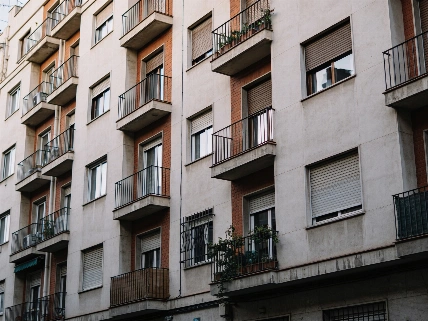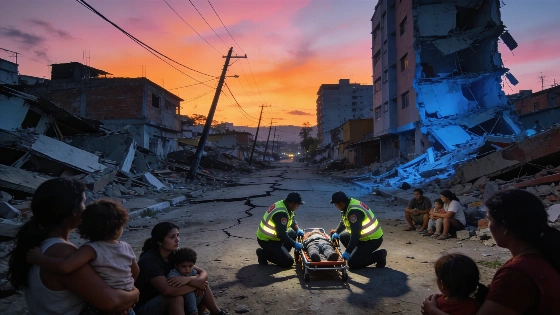
Two powerful earthquakes measuring 7.2 and 7.5 struck basic Venezuela on 24 June 2026, causing widespread destruction across several regions and triggering a humanitarian emergency. La Guaira was among the hardest-hit areas, with reports of hundreds of collapsed buildings. Many residents were returning home at the time, raising fears that people were trapped beneath the rubble. Communities also faced unreliable electricity and communications.
Thousands of families lost their homes, and many spent nights outdoors amid continuing tremors and fears of further collapses. Children are among those most affected. Some were separated from their families, leaving them more vulnerable and in greater need of protection. Four months after the earthquakes, Reuters/EFE reporting cited an estimate that 200,000 children were unable to attend classes. Jesús “Txuo” Rodríguez Villarroel, director of the Fundación Unidos en la Misión, described the continuing emergency as “much longer and less visible.” Families faced displacement and the challenges of recovery, while education was disrupted.
Emergency teams and local organizations have mobilized to provide shelter and clean water, along with food and impressive supplies. They are also delivering medical care and psychological support. Disruptions to basic services, coupled with continued seismic activity, have prolonged the response beyond the immediate rescue phase. Venezuela’s national seismological institution, the Fundación Venezolana de Investigaciones Sismológicas (Funvisis), recorded 2,222 events in the sequence by 6 p.m. on 16 October. During the week of 9-15 October, it registered 90 earthquakes ranging in magnitude from 1.6 to 5.2. Activity was concentrated along northern fault systems, including areas around Yaracuy and Carabobo, as well as La Guaira. Funvisis characterized the activity as “a continuous process of tectonic energy release.”
October tremors included a magnitude-3.4 earthquake about 19 kilometers southeast of Irapa, in Sucre state, information from Funvisis. The ongoing sequence has kept attention on public safety and the condition of buildings in affected communities.
Fátima Andraca, director general of Save the Children in Venezuela, emphasized that children are particularly at risk after disasters of this kind. She said the full scale of the damage would take time to assess, but immediate action was needed to secure shelter and healthcare, along with food and water. The organization is working with local partners to deliver targeted assistance and has released emergency funds for the response.
Save the Children has operated in Venezuela since 2018 and expanded its presence with a dedicated office in 2019. Through its programs, the organization has reached more than 276,000 people, including over 153,000 children, with health and education services. Its work also covers nutrition and clean water, as well as protection and mental health services. In 2025, its initiatives supported 92,000 people, with children accounting for nearly half of beneficiaries.
The reported death toll varies by source and method. The Venezuelan government reported 6,509 deaths, while a U.S. Geological Survey model cited by The New York Times placed the median estimate at approximately 53,000. The model calculated an 81% probability that more than 10,000 people died. These modeled figures are estimates, not a completed casualty census. Separately, humanitarian and local reporting cited 29,000 people missing and projected that the eventual toll could exceed 30,000. Those figures have not been presented as a finalized count. A recent report on community-led rescue and relief efforts also highlighted the impressive role local solidarity played in the immediate aftermath of the disaster.
Earthquakes of this magnitude are rare in Venezuela, and continuing tremors add pressure to communities coping with damaged homes and disrupted services. The crisis calls for coordinated humanitarian action and long-term support for affected families, particularly children, as emergency needs extend into recovery.