El Trampolín beach in Ceuta has become a temporary home for migrants after a mass entry in late July. Improvised shelters and daily routines now define the area. Authorities face ongoing challenges.
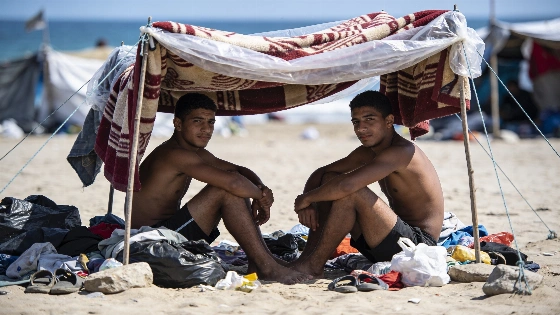
El Trampolín beach in Ceuta has rapidly transformed into a sprawling informal settlement, following a significant influx of migrants at the end of July. The area, once a popular coastal spot, now hosts dozens of makeshift shelters and improvised living spaces, as migrants adapt to uncertain conditions on the sand.
On Monday, the beach presented a stark scene: groups of migrants resting beneath shelters constructed from found materials, while others gathered at the entrance, waiting for updates or seeking shade. The atmosphere is marked by resilience and improvisation, with daily routines shaped by necessity rather than comfort.
Some migrants have established a small prayer area, assembling a mosque from empty milk cartons and plastic bottles. This space, though basic, has become a focal point for spiritual practice and community. Elsewhere, groups engage in activities such as wrestling, using the open sand as a makeshift arena to pass the time and maintain morale.
Requests for asylum are now a regular occurrence on the beach. On Monday, several migrants were seen approaching officials to submit their applications, hoping for a chance at legal status or relocation. The process is slow and often uncertain, adding to the tension and fatigue visible among those waiting.
The situation at El Trampolín reflects broader challenges facing Ceuta, a city that has repeatedly found itself at the center of migration flows. According to recent reports on the strain placed on local health and security services, the city continues to grapple with the humanitarian and logistical impact of these arrivals.
As the settlement persists, the beach's transformation highlights the ongoing complexities of migration management in Spain's North African enclaves. The authorities are under pressure to balance humanitarian needs with public order, while migrants face prolonged uncertainty about their future. The situation at El Trampolín is a visible reminder of the region's role as a gateway to Europe and the persistent challenges that come with it.
Ceuta, along with Melilla, represents one of the European Union's only land borders with Africa. These enclaves have long been focal points for migration, with periodic surges testing local infrastructure and resources. The current conditions on El Trampolín beach underscore the need for coordinated responses and sustainable solutions, as both residents and newcomers navigate the realities of life at the frontier.