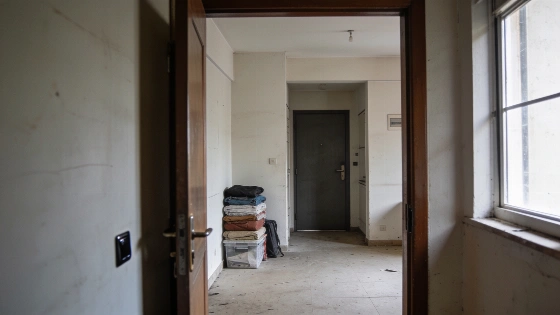
Maricarmen Abascal has asked Pedro Sánchez to change Spain's eviction system after leaving her Madrid home of 71 years. From her hospital bed, she is calling for a new housing decree.
The eviction took place on 23 September 2026 after several attempts. Maricarmen Abascal was 87 when she left her Madrid home. At least four court-ordered launches were reported in the case.
From her hospital bed, Abascal has asked Pedro Sánchez to seek action from the Council of Ministers. A video released by the Sindicato de Inquilinas shows her calling for a decree that could change the system behind her removal. She wants the government to take the first legal step.
The request now has a name.
Abascal calls the proposed measure the decreto Maricarmen. She wants the Council of Ministers to approve it this Tuesday. The proposal would then go to Congress for ratification. It is not law.
The eviction took place on 23 September 2026 after several attempts and was reported as at least the fourth court-ordered lanzamiento in the case.
That point is central. Abascal is not announcing a completed reform. She is asking the government to begin changing the rules that allowed the eviction to proceed.
The New York Times reported that the case has moved beyond one housing dispute. It has become part of a wider debate about tenant protection in Spain.
She had lived in the same flat since 1956. That was 71 years before the eviction. During the removal, she suffered severe exhaustion, stress and anxiety. She was later admitted to hospital.
The new recording is her second video since that admission. She still has difficulty speaking normally. El País described the eviction and her hospitalization as the source of growing social and political outrage.
Her appeal has two targets.
To Pedro Sánchez, she sends a direct institutional request: put the decree before the Council of Ministers. To her supporters, she asks for help with an online petition launched by the Sindicato de Inquilinas. She also wants continued pressure for the right to housing.
Abascal has a recognised disability rate of 50%. Reports also said that Madrid City Council offered emergency accommodation in a facility for older people, while the tenant campaign argued that the eviction should have been stopped despite public pressure.
The case follows earlier coverage of Abascal's long tenancy in Madrid. Euronews reported that she was taken from the apartment in a wheelchair or on a stretcher. The image helped turn the case into a symbol of Spain's affordable-housing crisis.
The latest video shifts attention to the legal mechanism behind the eviction. Abascal says that mechanism must change so other people do not face the same result.
She also urged supporters to attend a demonstration scheduled for Saturday at 18.30 in Puerta del Sol. The event connects with the online petition and the demand for indefinite contracts. The Sindicato de Inquilinas has used the protests and solidarity campaign to press the government for urgent housing measures.
The campaign says collective action could secure indefinite contracts and advance its housing demands. Abascal's statement asks supporters to stand with her. It also asks the government to turn sympathy into a concrete measure.
Her case puts the demand in plain view. An 87-year-old woman left the home where she had lived for seven decades. She then asked for the rules to change.
The government still has a proposal, not an enacted reform. Congress would also have to ratify any decree approved by the Council of Ministers. The name decreto Maricarmen gives the demand a focus. Only an approved and ratified measure could change Spain's eviction system.