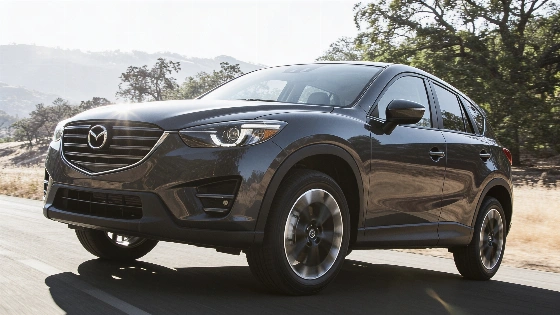
A Mazda master technician advises buyers to choose CX-5s built before 2017, citing risks linked to i-Stop and cylinder deactivation systems. These features, meant to cut emissions, may actually threaten engine reliability.
When searching for a used Mazda CX-5, a clear recommendation is emerging from inside the brand: opt for models built before 2017, before the introduction of i-Stop and cylinder deactivation technology. This advice comes not from a forum rumor, but from a Mazda master technician who has seen the long-term effects of these systems firsthand.
In a detailed discussion on Reddit, the technician explained why he steers buyers away from later CX-5s equipped with the 2.5 Skyactiv-G engine featuring Mazda’s CDA (Cylinder Deactivation) system. While these technologies were designed to reduce fuel consumption and emissions, he argues they introduce new risks that can undermine the car’s reliability over time.
Engine Risks Behind the Tech
The core of the problem lies in how cylinder deactivation works. By shutting down two of the engine’s four cylinders during low-demand driving, the system creates uneven temperatures within the engine block and cylinder head. According to the technician, this temperature imbalance can lead to microfractures in the cylinder head or even cause cylinder distortion, resulting in increased oil consumption and, eventually, costly repairs. He notes that these issues are not unique to Mazda—similar problems have been reported with cylinder deactivation systems in Chevrolet and Honda vehicles.
As for i-Stop, Mazda’s version of the automatic start-stop system, the technician points out that while it helps save fuel in traffic, it also accelerates wear on the starter motor and battery. Owners may face higher maintenance costs, as these components are more expensive and tend to wear out faster due to frequent engine restarts.
Why Pre-2017 Models Stand Out
For those considering a used CX-5, the technician’s advice is clear: look for vehicles built before 2017, which lack both i-Stop and cylinder deactivation. These earlier models strike a better balance between efficiency and long-term durability, avoiding the added complexity that can lead to unexpected breakdowns. He also suggests that, while turbocharged engines require careful maintenance, their potential issues are more predictable and manageable than the risks posed by cylinder deactivation.
This perspective echoes broader concerns among car owners and mechanics about the trade-offs involved in modern emissions technology. As automakers race to meet stricter environmental standards, some solutions may come at the expense of mechanical simplicity and reliability.
Context and Practical Advice
For buyers in Spain, where used SUVs remain in high demand, these insights are especially relevant. Choosing a pre-2017 Mazda CX-5 could mean fewer headaches and lower running costs in the long run. The debate over technology versus reliability is not unique to Mazda—similar dilemmas face truck drivers and logistics professionals, as highlighted in stories like the daily challenges of Spain’s female truckers, where equipment choice can make a real difference in day-to-day work.
In summary, while newer CX-5s offer advanced features and improved emissions, the advice from those who maintain them is to prioritize proven reliability. For many buyers, that means looking back to models built before the latest wave of technological upgrades.