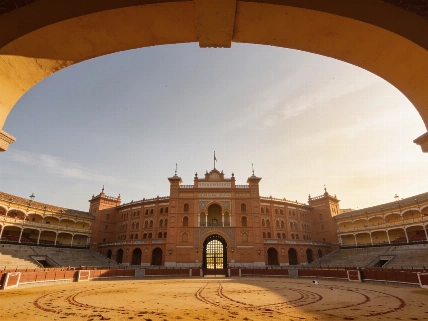
Plans to demolish Mestalla stadium have ignited debate in Valencia. Residents and observers warn that losing such landmarks erodes the city's collective memory. The controversy highlights deeper issues in urban development.
The planned demolition and sale of Mestalla stadium has become a flashpoint in Valencia, exposing a deeper conflict over the city's identity and the value of its historic spaces. As authorities move forward with redevelopment, many residents and commentators argue that reducing Mestalla to a mere real estate transaction risks erasing a key part of Valencia's collective memory.
Mestalla is not just a football venue for Valencia CF. For decades, it has served as a focal point for the surrounding neighborhood, shaping the daily rhythms and social fabric of the area. On match days, the streets transform as crowds gather, traffic rules are ignored, and the roar of the stadium becomes part of local life. This connection goes beyond sport—Mestalla has hosted musicians, community events, and countless moments that have woven it into the biography of the city.
Unlike many stadiums built on the outskirts, Mestalla became the heart around which its neighborhood grew. Its presence gave identity to an entire district, long before the surrounding land was developed. The stadium stands as a testament to Valencia's evolution over the past century, reflecting both its traditions and its ongoing changes.
Critics of the demolition warn that treating Mestalla as just another plot for development overlooks its role as a shared space of memory and belonging. The debate, as summarized by local voices, centers on whether Valencia is a city with a stadium for its team, or if the team simply has a project to build a new stadium. This distinction matters: when historic venues are reduced to real estate assets, something essential about the city's character is at risk.
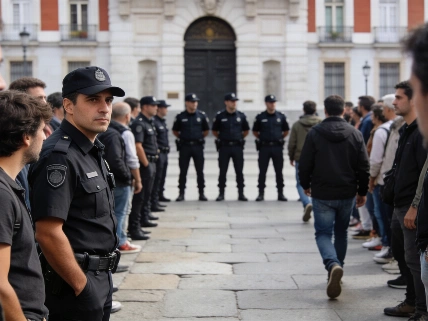
Such concerns are not unique to Valencia. Across Spain, disputes over the fate of iconic buildings and public spaces have become more common as urban pressures mount. In Madrid, for example, housing tensions have led to legal battles over evictions, as seen when a court halted the removal of an elderly tenant in La Latina—a case that highlighted the broader struggle over the meaning of home and community in changing cities. The legal fight over a municipal flat in Madrid's La Latina district underscored how urban development can clash with residents' sense of place and history.
Valencia now faces similar questions. As housing costs rise and tourism intensifies, the pressure to redevelop central sites grows. Yet, for many, preserving spaces like Mestalla is not about nostalgia but about defending what still makes the city recognizable and livable. The risk, as some see it, is that cities do not vanish overnight—they disappear piece by piece, as neighborhoods, markets, and stadiums are sold off. The debate over Mestalla is ultimately about what kind of Valencia will exist in the decades to come, and whether the city can balance growth with the preservation of its unique urban identity.
For context, Mestalla is one of Spain's oldest football stadiums, inaugurated in 1923. Its location in the heart of Valencia has made it a landmark not only for sports fans but for generations of residents. The stadium's future remains uncertain as negotiations continue between the club, city officials, and developers. The outcome will likely set a precedent for how Valencia—and other Spanish cities—navigate the tension between modernization and the safeguarding of their urban heritage.