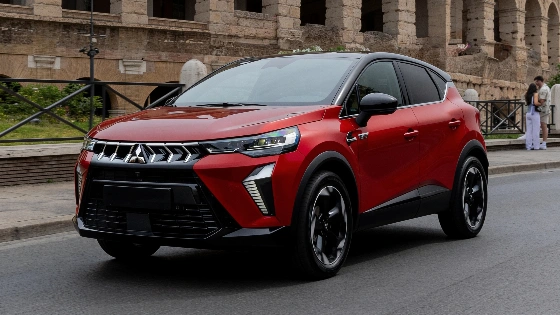
The Mitsubishi ASX 180 HEV stands out as a hybrid SUV with Eco credentials and a design rooted in the Renault Captur. We examine its interior quality, driving comfort and fuel efficiency in both city and highway conditions.
The Mitsubishi ASX 180 HEV arrives on Spanish roads with a clear proposition: a hybrid SUV that combines Japanese branding, French engineering, and local production in Valladolid. While its exterior closely mirrors the Renault Captur, the ASX 180 HEV carves out its own space by focusing on comfort, practicality and a sensible approach to everyday driving.
Stepping inside, the ASX 180 HEV immediately feels familiar and welcoming. The seats, while not the most advanced on the market, offer genuine comfort and support for long journeys. The cushioning is well-judged, though a slightly longer seat base and lumbar adjustment would further improve ergonomics. The driving position is relaxed, with all controls within easy reach, and the presence of large, physical climate controls is a practical touch that many drivers will appreciate.
The infotainment system, built around a vertical touchscreen and powered by Google, stands out for its intuitive menu structure and ease of use. While some may prefer more physical buttons, the system remains accessible even while driving. Rear passengers benefit from thoughtful details: two USB-C ports, a 12V outlet, and dedicated air vents, though the rear bench is best suited for two adults. The sliding rear seat, adjustable by up to 160 mm, allows for flexible cargo space, but at the expense of rear legroom when fully forward.
On the road, the ASX 180 HEV delivers a comfortable and quiet ride, especially at moderate speeds. The cabin remains well-insulated from wind and road noise, making it a strong candidate for long-distance travel. However, pushing the 1.8-litre hybrid engine hard results in noticeable engine noise and vibration, a common trait among hybrids with continuously variable transmissions.
Fuel efficiency is a key selling point. Real-world consumption on the highway averages around 6.4 litres per 100 km—higher than the official 4.4 l/100 km, but still competitive for the segment. Urban driving sees even lower figures, while secondary roads can push consumption above seven litres. The ASX 180 HEV's Eco label grants access to low-emission zones in Spanish cities, adding practical value for urban drivers.
Handling is composed, with minimal body roll and a suspension setup that balances comfort and stability. The steering is precise, and the car feels secure at speed, though the brake pedal's artificial feel is a minor drawback. Overall, the ASX 180 HEV encourages a calm, measured driving style, rewarding those who value comfort and efficiency over outright performance.
For those comparing options in the hybrid SUV market, the ASX 180 HEV stands as a rational alternative to more expensive or purely electric models. Its blend of proven Renault technology and Mitsubishi's reputation for reliability makes it a strong contender for families and commuters alike. In a segment where new electric SUVs like the Peugeot e-5008 Dual Motor are making headlines for their power and space, as seen in this recent review of Peugeot's seven-seater, the ASX 180 HEV offers a more accessible and familiar approach.
In summary, the Mitsubishi ASX 180 HEV may not break new ground in design or technology, but it delivers where it matters: comfort, efficiency, and everyday usability. Its Spanish production, Eco label, and practical features make it a sensible choice for drivers seeking a hybrid SUV that fits seamlessly into daily life.