Mónica García is moving ahead in Spain's alternative left as the Frente Amplio weighs its electoral leadership. The housing dispute between PSOE and Sumar has sped up the talks and revived discussion of a possible return by Ada Colau.
On 29 September 2026, Spain's government approved two housing royal decrees after tense negotiations between PSOE and Sumar. The deal eased one crisis but opened another inside the alternative left. The Frente Amplio now faces a more urgent question: who should lead its general-election ticket?
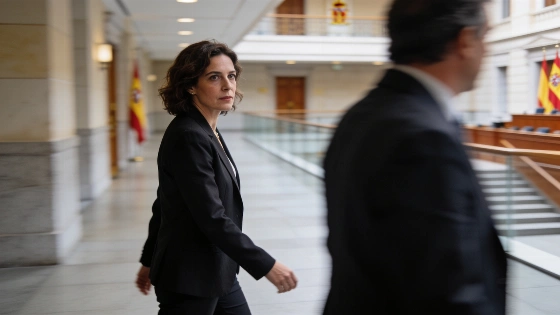
Mónica García has moved to the front of that discussion. She is now the preferred option if Pedro Sánchez brings forward the general election. The talks are no longer distant planning.
The proposal taking shape would pair García with Ernest Urtasun, who could run in Barcelona. Other recognisable figures from the central government could join them. El País reported that the talks have grown more intense as an early vote has moved closer to the centre of political planning. No final candidacy has been announced.
Before the national-level discussions, Mónica García had already been confirmed by Más Madrid as its candidate for president of the Madrid region. A move to a general-election campaign would therefore require a revision of existing internal party commitments.
García is no longer being treated as one option among several. Sources cited by elDiario.es say her name has moved ahead of Ada Colau in the internal talks. García herself has not closed the door on that possibility.
The four Sumar parties represented in the Spanish government, IU, Más Madrid, Movimiento Sumar and Comuns, have agreed to contest the general election under the name Frente Amplio. Their negotiations now centre on the lead candidate and the way the parties will present a joint ticket. The current balance favours the health minister over Colau.
Colau has said she is open to returning to institutional politics after years away from public office. Months ago, she rejected a proposal from left-wing parties to head the Barcelona list. Her possible comeback remains under discussion. García has stronger support in the latest round of talks.
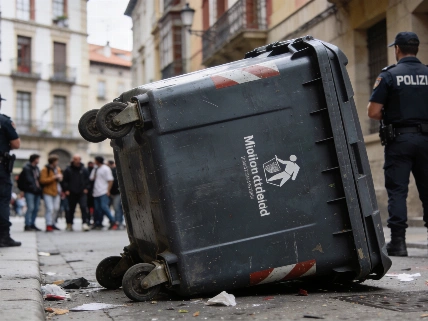
The two housing decrees approved on 29 September 2026 included an extension of protections against evictions, restrictions on seasonal rentals, the extension of some tenancy agreements and a ban on purchases by vulture funds until 2028. The measures followed intense negotiations between PSOE and Sumar rather than a settled parliamentary consensus.
The housing dispute helped speed up that shift. Relations between PSOE and the Sumar bloc had already worsened after the "caso Maricarmen". García and her allies then issued an ultimatum. They threatened not to attend the next Consejo de Ministros unless the housing decree went to a vote in the Congreso de los Diputados. Infobae reported that Sumar used the issue as direct leverage in its talks with PSOE.
The four parties in the plurinational Sumar group publicly pressed their government partner to act. Their statement put secure renting at the centre of the dispute. It argued that people should not live in constant fear of losing their homes or facing another contract renewal. Failed parliamentary votes followed. The negotiations then became a direct test of the coalition's ability to agree on a central social issue.
Pressure built quickly. García's possible candidacy would give the alternative left a minister already linked to one of the government's most visible policy areas. Her profile also connects the electoral debate with Spain's wider health-system discussion, covered in this earlier health analysis. The Barcelona formula with Urtasun would add another senior government figure and give the proposed list a clear institutional profile.
For the Frente Amplio, the immediate problem is not just a name. Four party structures must become one credible electoral offer while the government's room for parliamentary manoeuvre narrows. Sumar's threat to stay away from the Council of Ministers unless the decree reached Congress made the task more pressing. It also strengthened García's position.
The minister is now the strongest candidate for the alternative left's leadership, based on the evidence available. The García and Urtasun pairing remains a proposal. No final candidacy has been announced. Still, the housing clash has accelerated the Frente Amplio's preparations and moved García ahead of Colau in the race to lead its general-election ticket.